
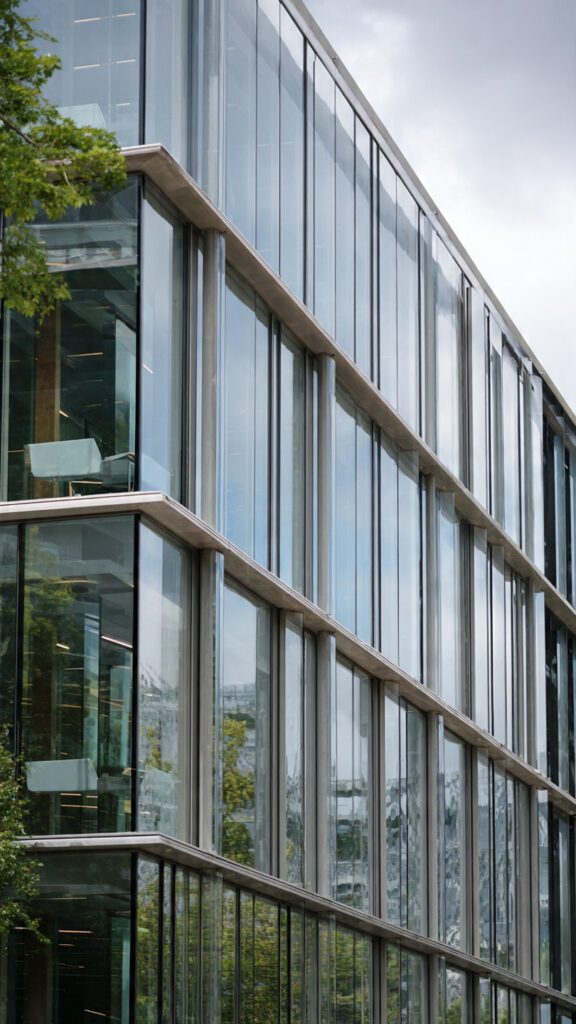
Load-Bearing Needs for Floor-to-Ceiling Aluminium Windows
Floor-to-ceiling windows transform commercial spaces. They flood interiors with natural light. They create stunning architectural statements. However, these dramatic installations demand careful consideration of load-bearing capacity for aluminium frames. Commercial buildings in Roodepoort and Randburg require robust framing systems that meet specific structural requirements.
Understanding Load-Bearing Requirements for Commercial Aluminium Window Frames
Commercial window installations face unique challenges. Large glass panels create substantial weight. Wind forces exert pressure on exposed surfaces. Therefore, aluminium frames must provide adequate structural support while maintaining aesthetic appeal.
The load-bearing capacity of aluminium windows depends on several critical factors. Frame thickness plays a primary role. Commercial applications typically require profiles ranging from 2.0mm to 3.0mm thick. This thickness ensures the frame can support heavy glazing without bending or warping over time.
Profile width also affects structural performance. Standard residential frames use 55mm to 60mm series profiles. However, commercial installations often demand wider series. Options include 90mm, 100mm, or even 120mm profiles for maximum stability. These wider frames distribute weight more effectively across the structure.
Critical Factors Affecting Aluminium Frame Load Capacity
Glass Weight Distribution
Floor-to-ceiling windows feature expansive glass panels. A single large pane can weigh several hundred kilograms. Aluminium frames must support this weight continuously without deformation. The frame’s cross-sectional design determines its weight-carrying capacity.
Manufacturers calculate load capacity using specific formulas. These formulas consider frame dimensions, material grade, and span length. For example, a standard 2020 industrial aluminium profile supporting a 1m x 1m x 1m frame can bear approximately 20kg under static load. Adding horizontal reinforcements can increase this capacity significantly.
Wind Load Resistance
Commercial buildings face substantial wind forces. Therefore, aluminium shopfronts and floor-to-ceiling windows require careful wind load calculations. Industry standards recommend a minimum wind loading of 600 N/m² (0.6 kN/m²) for glazing installations in any location.
Wind creates three types of forces on structures. Uplift wind load affects horizontal elements like canopies. Shear wind load impacts surfaces parallel to the building. Lateral wind load presents the most intense force, potentially overturning entire structures. Aluminium frames must resist all these forces simultaneously.
Commercial window systems undergo rigorous testing. They must comply with international standards such as EN 12210 for wind load resistance. Test results classify windows using a numbering system. For instance, a Class C5 rating indicates the system withstood 3000 Pa of wind pressure with minimal deflection.
Building Height and Exposure
Taller buildings experience greater wind forces. Ground-level installations face different challenges than upper-story windows. Consequently, engineers calculate design wind loads based on building height, terrain category, and geographical location.
Coastal areas demand higher specifications. Open terrain exposes buildings to stronger winds. Urban environments provide some shelter from wind forces. Each scenario requires adjusted load-bearing calculations for aluminium doors and windows.
Material Specifications for Commercial Window Frames
Aluminium Alloy Selection
Premium aluminium frames use specific alloys. The 6063-T5 alloy offers excellent extrudability and smooth surface finish. This standard alloy works well for most architectural profiles. Its mechanical properties improve significantly after heat treatment.
For applications requiring superior strength, manufacturers use 6061-T6 alloy. This alloy provides higher load-bearing capacity. It maintains excellent weldability while offering enhanced structural performance. Both alloys comply with international standards including EN 755, ASTM B221, and GB/T 5237.
Thermal Break Technology
Modern commercial frames incorporate thermal breaks. These non-conductive sections reduce heat transfer between interior and exterior surfaces. Thermal breaks maintain energy efficiency without compromising structural integrity. Thicker profiles accommodate larger thermal breaks, improving insulation performance.
Structural Design Considerations for Floor-to-Ceiling Installations
Mullion Reinforcement
Large window installations require mullions between panels. These vertical supports need reinforcement to handle design wind loads. Mullion deflection must remain limited to L/175 of the glass edge length. This standard ensures the glass stays properly supported under load.
Accend Aluminium and Glass provides custom aluminium designs that incorporate properly reinforced mullions. These structural elements integrate seamlessly into the overall window system. They maintain clean sightlines while providing essential support.
Anchoring Systems
Proper anchoring secures frames to building structures. Commercial installations use heavy-duty anchors capable of transferring loads to the building framework. The anchoring system must accommodate building movement without compromising window performance.
Double head anchors often serve large commercial windows. These fixtures provide superior holding strength. They distribute forces across wider areas of the supporting structure. Concealed fasteners maintain clean aesthetics while ensuring structural integrity.
Installation Requirements for Load-Bearing Frames
Professional installation ensures proper load distribution. Experienced installers understand the complexities of commercial window systems. They follow manufacturer specifications precisely. They verify that structural supports adequately carry window loads.
Installation involves several critical steps. First, installers assess the existing structure. They identify load-bearing elements and potential weak points. Next, they install temporary support frames when replacing existing windows. These temporary structures prevent ceiling sagging during window removal.
Finally, installers may add permanent lintels. These hidden structural elements bear the weight of walls and ceilings above windows. Lintels integrate into the wall structure, remaining invisible after installation completes.
Compliance Standards and Testing Protocols
International Testing Standards
Commercial windows must meet stringent performance standards. AAMA/WDMA/CSA 101/I.S.2/A440 governs window fabrication requirements. These standards ensure consistent quality across manufacturers. They specify minimum performance criteria for structural adequacy, weather resistance, and operational reliability.
Testing protocols evaluate multiple performance aspects. ASTM E330 measures design pressure resistance. EN 12210 assesses wind load performance. Products receive classifications based on test results. These classifications help specifiers select appropriate systems for specific applications.
Local Building Codes
South African building regulations establish minimum requirements for commercial glazing. Local authorities in Gauteng enforce these standards. Projects in Roodepoort and Randburg must comply with national building codes. These codes reference international standards while addressing local conditions.
Enhancing Load Capacity Through Design
Frame Configuration Options
Different frame configurations offer varying load capacities. Two-track sliding systems provide simplified operation. Three-track systems enable more flexible opening configurations. Each system has specific structural characteristics affecting load-bearing performance.
Aluminium balustrades and frameless glass installations complement floor-to-ceiling windows. These elements work together to create cohesive commercial facades. Proper integration ensures all components share structural loads appropriately.
Glazing Selection
Glass type significantly impacts frame requirements. Double-glazed units weigh more than single panes. Triple glazing adds further weight. However, these options improve energy efficiency and acoustic performance.
Tempered and laminated glass options enhance safety. They meet building code requirements for large glazing installations. Low-E coatings improve thermal performance without adding substantial weight. Frame specifications must account for the total glazing weight including coatings and treatments.
Maintenance and Long-Term Performance
Aluminium frames naturally resist corrosion. A protective oxide layer forms when aluminium contacts air or water. This layer prevents degradation over time. However, regular maintenance ensures optimal performance throughout the window’s lifespan.
Inspection schedules should verify frame integrity. Professionals check for deflection, loosening anchors, and seal deterioration. They assess whether frames continue meeting load-bearing requirements. Early detection of issues prevents costly repairs and maintains building safety.
Choosing the Right Partner for Commercial Window Projects
Selecting experienced suppliers ensures successful installations. Accend Aluminium and Glass brings extensive expertise to commercial projects throughout Roodepoort and Randburg. Their understanding of load-bearing requirements guarantees properly specified and installed window systems.
Professional consultation begins with site assessment. Specialists evaluate building characteristics, exposure conditions, and design requirements. They calculate precise load-bearing needs. They recommend appropriate frame profiles and configurations.
According to the National Institute of Building Sciences, proper aluminum frame selection significantly impacts building performance and longevity. The Aluminum Association provides comprehensive resources on aluminum’s use in construction, highlighting its strength-to-weight advantages in commercial applications.
Conclusion
Floor-to-ceiling commercial windows require carefully engineered aluminium frames. Load-bearing capacity depends on multiple factors including frame thickness, profile width, glass weight, and wind loads. Commercial installations in Roodepoort and Randburg demand frames that meet rigorous structural standards.
Professional specification and installation ensure optimal performance. Accend Aluminium and Glass provides expert guidance throughout the project lifecycle. Their commitment to quality delivers window systems that combine aesthetic appeal with structural reliability.
Contact Accend Aluminium and Glass today. Discover how properly engineered aluminium windows and aluminium gates transform commercial spaces. Experience the difference that expert knowledge and quality materials make in every installation.