
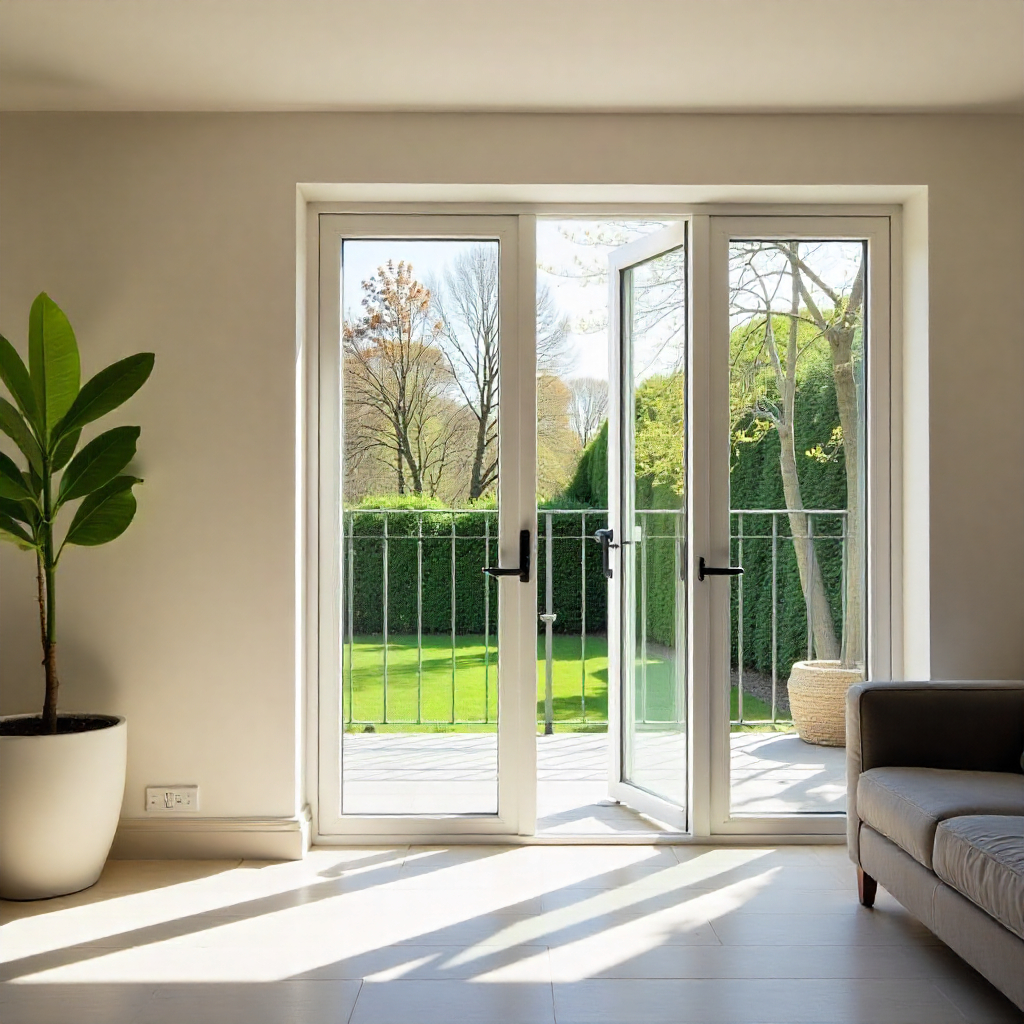
Optimal Fenestration Ratio for Natural Light with Aluminium Doors
Natural light transforms living and working spaces dramatically. However, achieving the perfect balance between brightness and energy efficiency requires careful planning. Understanding the ideal fenestration ratio for aluminium doors helps homeowners and businesses maximize daylight while maintaining comfort.
At Accend Aluminium and Glass, we help clients throughout Roodepoort and Randburg create light-filled spaces through expertly designed aluminium door systems. This comprehensive guide explores the optimal fenestration ratio to enhance your property with natural illumination.
Understanding the Fenestration Ratio
The fenestration ratio represents the proportion of glazed area compared to wall space. This measurement directly influences how much natural light enters your building. Architects and designers use this ratio to balance aesthetics, energy performance, and occupant comfort.
A well-calculated fenestration ratio creates bright, welcoming interiors. Nevertheless, exceeding optimal levels can lead to excessive heat gain and glare. Aluminium doors offer unique advantages in achieving this balance due to their slim profiles and structural strength.
The Science Behind Optimal Fenestration Ratios
Research consistently shows that window-to-wall ratios between 20% and 60% work best for most applications. This range maximizes natural light exposure while controlling thermal performance. Buildings exceeding 40% fenestration typically require additional measures like external shading or specialized glazing.
Studies indicate that proper fenestration design improves occupant mood, alertness, and overall health. Moreover, ideal lighting involves careful window placement to avoid excessive glare and heat gain. The balance between these factors defines successful architectural design.
Different climate zones require adjusted fenestration strategies. Hot and dry climates benefit from lower ratios to minimize heat ingress. Conversely, warm and humid climates favor higher ratios for thermal comfort and ventilation.
Why Aluminium Doors Excel at Maximizing Natural Light
Aluminium doors from 2AG provide exceptional advantages for light optimization. The material’s superior strength-to-weight ratio enables larger glass panels within slimmer frames. This characteristic directly increases the effective fenestration ratio without compromising structural integrity.
Traditional materials like wood or steel require thicker frames to support large glass panels. Aluminium’s lightweight yet robust nature allows architects to design floor-to-ceiling installations. These expansive designs flood interiors with natural light while maintaining energy efficiency.
Furthermore, aluminium frames support much larger glazed areas within narrower profiles. This feature offers slim sightlines with maximum natural light benefits. The result creates seamless transitions between indoor and outdoor spaces.
Recommended Fenestration Ratios for Different Applications
Residential Properties
For homes in Roodepoort and Randburg, a fenestration ratio between 25% and 35% typically provides optimal results. This range ensures abundant natural light without excessive energy costs. Living areas benefit from higher ratios, particularly south-facing walls that receive consistent daylight.
Sliding aluminium doors create excellent opportunities for increased fenestration in residential settings. These systems maximize glass area while maintaining thermal performance. Bedrooms and private spaces often work well with slightly lower ratios around 20% to 25%.
Commercial Buildings
Commercial properties generally accommodate higher fenestration ratios between 30% and 50%. Retail spaces particularly benefit from expansive glazing to showcase merchandise and create inviting entrances. Aluminium shopfronts exemplify this approach by combining maximum visibility with security.
Office environments thrive with fenestration ratios around 40%. This level provides sufficient daylight for productivity while controlling glare on computer screens. Strategic placement of aluminium doors and windows ensures even light distribution throughout workspaces.
Industrial and Warehouse Spaces
Industrial buildings often utilize lower fenestration ratios between 15% and 25%. These structures prioritize thermal control and operational efficiency. However, strategically placed aluminium doors still enable adequate natural lighting for safety and productivity.
Factors Influencing Your Ideal Fenestration Ratio
Orientation and Sun Path
Building orientation significantly impacts fenestration design. North-facing surfaces in the Southern Hemisphere receive indirect light ideal for consistent illumination. South-facing walls receive intense direct sunlight requiring careful planning.
East and west orientations present unique challenges. Morning and afternoon sun sits low in the sky, making traditional shading less effective. Aluminium door systems with integrated shading or specialized glazing help manage these conditions.
Climate Considerations
Johannesburg’s climate demands specific fenestration strategies. The region experiences hot summers and mild winters with significant temperature variations. A balanced fenestration ratio between 30% and 40% typically works well for this climate.
Thermal performance becomes crucial in maintaining interior comfort. Modern aluminium window frames incorporate thermal breaks and enhanced insulation technologies. These features enable higher fenestration ratios without compromising energy efficiency.
Room Function and Usage
Different spaces require varying light levels. Living rooms, kitchens, and work areas benefit from abundant natural light. Therefore, these rooms can accommodate higher fenestration ratios between 35% and 45%.
Bedrooms and private spaces typically function better with moderate ratios around 25% to 30%. This balance provides sufficient daylight while maintaining privacy and temperature control. Bathrooms often utilize smaller fenestration areas with specialized privacy glazing.
Maximizing Natural Light with Strategic Door Placement
Folding and Stacking Systems
Folding aluminium doors revolutionize space planning by opening entire walls. These systems achieve fenestration ratios exceeding 70% when fully opened. The panels stack compactly, revealing majestic views and flooding interiors with light.
During closed positions, these doors still provide substantial glazed areas. Multiple panels create continuous glass expanses that maximize daylight penetration. This versatility makes them ideal for entertainment areas and spaces connecting to outdoor living areas.
Pivot and Entrance Doors
Large pivot doors make bold architectural statements while enhancing natural light. These impressive entrance solutions can reach heights exceeding three meters. The expansive glass panels create dramatic first impressions and illuminate entry halls effectively.
Aluminium’s strength enables these oversized designs without sacrificing functionality. The pivot mechanism operates smoothly despite the door’s size. This combination of form and function exemplifies modern architectural innovation.
Sliding Patio Systems
Sliding aluminium patio doors offer excellent fenestration opportunities for limited spaces. The panels slide horizontally within their frame, eliminating swing clearance requirements. This design maximizes glazed area without impeding furniture placement or room flow.
Multi-panel sliding systems increase fenestration ratios substantially. Three, four, or more panels create expansive glass walls. The slim aluminium frames minimize visual obstruction, enhancing the connection between interior and exterior spaces.
Balancing Natural Light with Energy Efficiency
Higher fenestration ratios require careful energy management. Excessive glazing can lead to unwanted heat gain during summer months. Conversely, large glass areas may contribute to heat loss during winter evenings.
Advanced glazing technologies address these challenges effectively. Low-emissivity coatings reduce heat transfer while maintaining visible light transmission. Double or triple glazing systems enhance thermal performance significantly.
Aluminium frames with thermal breaks prevent heat conduction through the frame material. This technology allows for larger fenestration ratios without compromising energy efficiency. The combination creates comfortable, well-lit spaces throughout the year.
Complementing Aluminium Doors with Other Fenestration Elements
Glass Balustrades and Partitions
Frameless glass balustrades complement aluminium door systems beautifully. These transparent barriers maintain sightlines while ensuring safety. Staircases and elevated areas benefit from unobstructed light flow.
Interior glass partitions extend the fenestration concept throughout buildings. They allow natural light to penetrate deeper into floor plans. This approach reduces reliance on artificial lighting while maintaining functional space division.
Skylights and Roof Glazing
Combining vertical fenestration with overhead glazing creates exceptionally bright spaces. Skylights introduce light from above, illuminating areas distant from exterior walls. This multi-directional approach enhances overall light quality and distribution.
However, roof glazing requires careful consideration. Excessive skylight area can lead to uncomfortable heat gain and glare. Building codes typically limit skylight-to-roof ratios to 5% for standard applications and 10% for atriums.
Practical Implementation Steps
Professional Assessment
Determining your ideal fenestration ratio begins with professional evaluation. Experienced consultants consider building orientation, climate, intended use, and aesthetic preferences. This comprehensive analysis ensures optimal results tailored to your specific circumstances.
At Accend Aluminium and Glass, we provide free consultations and quotes. Our team possesses over 30 years of combined industry experience. We analyze your space to recommend the most effective fenestration solutions.
Design and Customization
Aluminium door systems offer extensive customization options. Frame colors, glazing types, and hardware selections personalize your installation. Powder coating technology provides virtually unlimited color choices to match any architectural style.
Glass selection significantly impacts fenestration performance. Clear glass maximizes visible light transmission. Tinted or reflective options reduce glare and heat gain. Laminated safety glass enhances security and acoustic performance.
Installation Excellence
Professional installation ensures fenestration systems perform as designed. Proper sealing prevents air leakage and water infiltration. Precise alignment guarantees smooth operation and longevity.
Our installation teams deliver consistent, reliable results. We manufacture and install all products ourselves, ensuring maximum quality guarantee. This integrated approach eliminates communication gaps between different contractors.
Maintaining Optimal Performance
Regular maintenance preserves your fenestration investment. Aluminium requires minimal upkeep compared to traditional materials. Simple cleaning with mild soap and water maintains appearance and function.
Weatherproof gaskets and seals should receive periodic inspection. These components prevent drafts and water penetration. Early detection of wear allows simple replacements before problems escalate.
Operating mechanisms benefit from occasional lubrication. This maintenance ensures smooth door operation throughout their lifespan. Proper care extends the functional life of your fenestration systems significantly.
Transform Your Space with Optimal Fenestration
The ideal fenestration ratio balances natural light, energy efficiency, and aesthetic appeal. For most applications, ratios between 25% and 45% provide excellent results. Aluminium doors enable these optimal ratios through their superior strength and slim profiles.
Strategic planning considers building orientation, climate, and room function. Professional assessment identifies opportunities for maximizing daylight while maintaining comfort. Advanced glazing technologies and thermal breaks enhance performance across varying fenestration ratios.
Ready to transform your property with optimal natural lighting? Accend Aluminium and Glass serves Roodepoort, Randburg, and surrounding areas. Contact us today for a free consultation and discover how aluminium door systems can illuminate your space beautifully and efficiently.
Visit our online quotation form to receive an estimated cost for your next aluminium window and door project. Our experienced team stands ready to bring your vision to life with quality craftsmanship and professional service.
For more information about our products and services, explore our comprehensive range of aluminium windows and specialized solutions for commercial and residential applications