
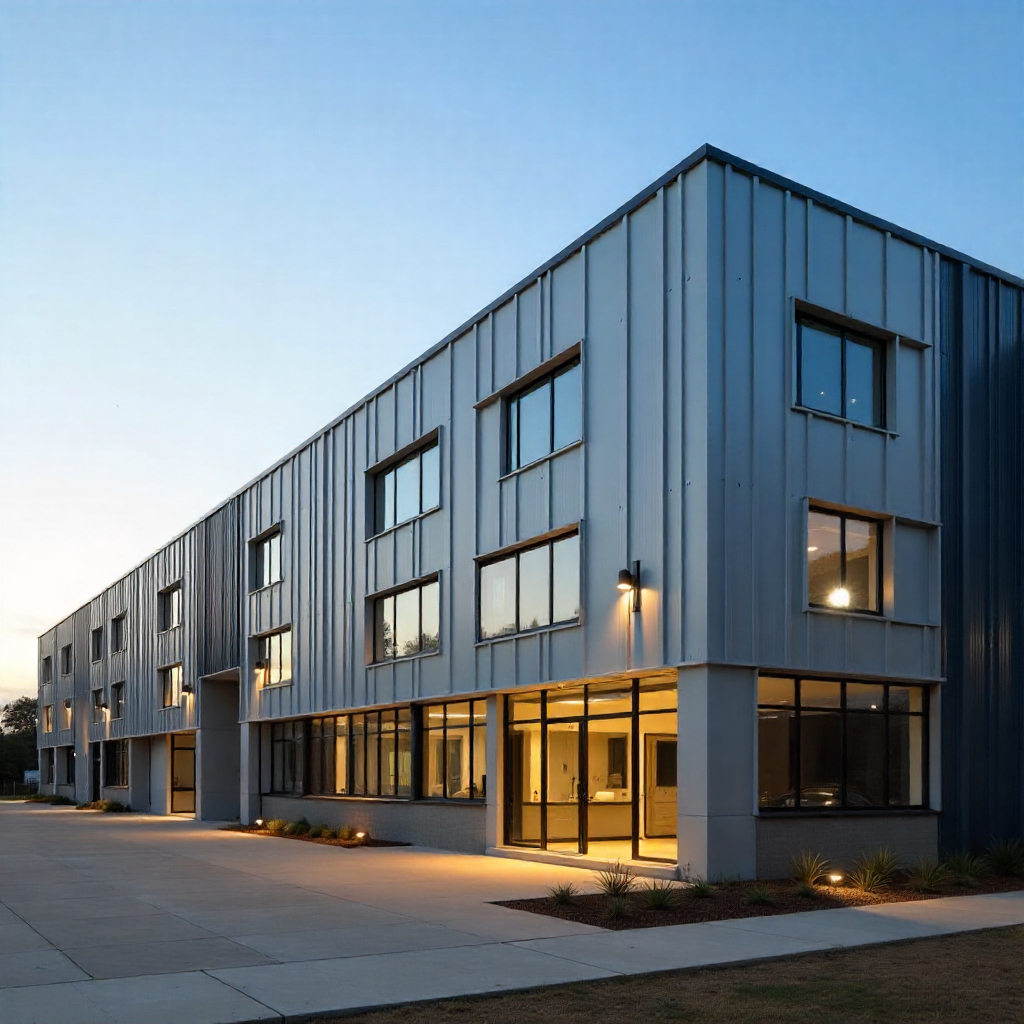
Choosing Aluminium Cladding for Industrial Buildings in Zimbabwe
Industrial buildings in Zimbabwe face unique environmental challenges. Therefore, selecting the right aluminium cladding becomes crucial for long-term performance and cost-effectiveness. This comprehensive guide helps you navigate the selection process with confidence.
Understanding Aluminium Cladding for Industrial Applications
Aluminium cladding provides a protective outer layer for your industrial building. It shields the structure from harsh weather while enhancing its appearance. Moreover, this building material offers exceptional durability and design flexibility.
The cladding system consists of aluminium panels or composite materials. These materials attach to your building’s exterior framework. Consequently, they create a weather-resistant barrier that protects your investment for decades.
Why Aluminium Cladding Excels in Zimbabwe’s Climate
Zimbabwe’s climate presents specific challenges for industrial buildings. The region experiences intense UV radiation, seasonal rainfall, and temperature fluctuations. Fortunately, aluminium cladding addresses these concerns effectively.
First, aluminium naturally resists corrosion. Unlike steel, it won’t rust when exposed to moisture. Additionally, the material withstands extreme temperatures without warping or cracking. This resilience makes it perfect for Zimbabwe’s diverse weather patterns.
Furthermore, aluminium reflects solar radiation efficiently. This property reduces heat absorption and lowers cooling costs. Industrial facilities particularly benefit from these energy-saving characteristics.
Key Types of Aluminium Cladding Systems
Aluminium Composite Panels (ACPs)
ACPs sandwich a polyethylene core between two aluminium sheets. This construction creates lightweight yet strong panels. They offer excellent thermal insulation and sound reduction properties.
These panels work exceptionally well for large industrial facades. They provide uniform appearance and straightforward installation. Moreover, ACPs come in various colors and finishes to match your branding requirements.
Solid Aluminium Panels
Solid panels use a single aluminium sheet throughout. They deliver superior strength and rigidity compared to composite alternatives. Industrial buildings exposed to harsh conditions benefit from their robust construction.
These panels handle high-performance architectural demands effectively. They resist corrosion excellently in coastal or industrial environments. Additionally, manufacturers can perforate or shape them for custom designs.
Perforated Aluminium Cladding
Perforated panels feature precisely drilled holes or patterns. This design allows light and airflow while maintaining structural integrity. They create striking visual effects, especially when illuminated.
Industrial facilities use perforated cladding for ventilation purposes. The panels reduce wind load while providing adequate air circulation. Furthermore, they add an artistic element to otherwise utilitarian structures.
Essential Factors When Selecting Aluminium Cladding
Fire Resistance Requirements
Fire safety stands paramount for industrial buildings. Zimbabwe’s building regulations require specific fire-resistance ratings. Therefore, verify your cladding system meets these standards.
Fire-resistant ACPs offer protection for 90-120 minutes. These panels incorporate special core materials that resist combustion. Conversely, standard panels cost less but provide minimal fire protection. Choose based on your facility’s specific risk profile.
Durability and Maintenance Needs
Industrial environments demand low-maintenance solutions. Aluminium cladding delivers on this requirement admirably. The material resists rust, corrosion, and discoloration naturally.
Quality aluminium cladding lasts 40 to 70 years with minimal upkeep. Regular cleaning with mild detergent maintains its appearance. Additionally, the material retains its finish for decades without repainting.
Thermal Performance and Energy Efficiency
Industrial buildings consume significant energy for climate control. Aluminium cladding improves your building’s thermal envelope substantially. It reflects heat and reduces cooling requirements.
Insulated panels provide superior thermal performance. They regulate indoor temperatures effectively throughout the day. Consequently, your facility enjoys reduced energy costs year-round.
Design Flexibility and Aesthetics
Modern aluminium cladding systems offer extensive customization options. You can select from numerous colors, textures, and finishes. This versatility ensures your industrial building reflects your brand identity.
Professional installation ensures seamless integration with aluminium windows and aluminium doors. Furthermore, you can combine different panel types for unique architectural effects. The material accommodates both horizontal and vertical installation orientations.
Installation Considerations for Industrial Projects
Framework and Structural Support
Proper framework installation ensures cladding system longevity. Engineers must calculate load requirements accurately. The framework must support panel weight while accommodating thermal expansion.
Professional installers use high-quality fasteners and mounting systems. They ensure panels remain secure during high winds. Additionally, proper spacing allows for natural material movement.
Weather Sealing and Water Management
Zimbabwe’s rainy season demands excellent water management systems. Installers must seal all joints and penetrations properly. This prevents moisture infiltration and potential structural damage.
Flashing systems direct water away from vulnerable areas. They protect your building’s interior from water damage. Moreover, proper drainage prevents water pooling behind cladding panels.
Quality Control and Compliance
All installations must comply with local building codes. Professional contractors understand Zimbabwe’s specific requirements. They ensure your project meets safety and performance standards.
Quality installers conduct thorough inspections throughout the process. They verify proper alignment, secure fastening, and adequate sealing. This attention to detail prevents future maintenance issues.
Budget Considerations and Cost Factors
Aluminium cladding represents a significant investment. However, its long-term benefits justify the initial expense. The material’s durability reduces replacement and maintenance costs substantially.
Several factors influence total project costs. Panel type, finish quality, and installation complexity affect pricing. Fire-resistant panels cost more than standard options. Nevertheless, they provide essential protection for high-risk facilities.
Labor costs vary based on project size and complexity. However, aluminium’s lightweight nature reduces installation time. This efficiency helps control overall project expenses.
Working with Professional Aluminium Specialists
Selecting the right contractor ensures project success. Experienced professionals like Accend Aluminium and Glass bring valuable expertise to your project. They understand local conditions and regulatory requirements thoroughly.
Professional installers offer comprehensive services from design to completion. They provide detailed quotes showing transparent pricing. Additionally, they manufacture products to exact specifications using quality materials.
Aluminium shop fronts and industrial cladding require similar expertise. Therefore, choosing a versatile provider ensures consistent quality across projects. Their experience with various applications benefits your specific requirements.
Maintenance Best Practices for Longevity
Regular maintenance extends your cladding system’s lifespan significantly. Fortunately, aluminium requires minimal upkeep compared to alternatives. Simple cleaning routines maintain appearance and performance.
Clean panels twice annually using mild soap and water. Avoid harsh chemicals that damage protective coatings. Soft brushes or cloths prevent scratching the surface finish.
Conduct regular inspections to identify potential issues early. Check fasteners, seals, and panel alignment periodically. Address minor problems before they escalate into costly repairs.
Sustainability and Environmental Benefits
Aluminium cladding supports sustainable building practices effectively. The material consists of 100% recyclable content. Manufacturers recycle old panels into new products without quality loss.
This recyclability aligns with modern environmental standards. Zimbabwe increasingly emphasizes sustainable construction methods. Aluminium cladding helps achieve green building certifications.
Furthermore, the material’s energy efficiency reduces operational carbon footprints. Lower cooling requirements translate to decreased electricity consumption. This benefit continues throughout the building’s entire lifecycle.
According to industry experts, aluminium cladding systems last 40-70 years with proper installation and maintenance. This longevity makes them an environmentally responsible choice for industrial applications.
Integration with Other Building Systems
Aluminium cladding complements various architectural elements seamlessly. It integrates well with aluminium balustrades and glazing systems. This compatibility creates cohesive building aesthetics.
Modern industrial facilities often combine multiple aluminium products. Windows, doors, and cladding share similar finishes and profiles. This consistency enhances visual appeal while simplifying maintenance.
Professional suppliers offer complete building envelope solutions. They coordinate different elements for optimal performance. This integrated approach ensures all components work together harmoniously.
Making Your Final Decision
Choosing aluminium cladding requires careful consideration of multiple factors. Evaluate your building’s specific requirements thoroughly. Consider climate conditions, fire safety needs, and budget constraints equally.
Consult with experienced professionals early in the planning process. They provide valuable insights based on local expertise. Request detailed proposals comparing different cladding options objectively.
Verify that your chosen system meets all regulatory requirements. Ensure the contractor carries appropriate certifications and insurance. Review previous projects to assess quality and reliability.
Remember that global standards for aluminium cladding emphasize fire safety and durability. Choose products that meet or exceed these benchmarks. Your investment deserves materials that perform reliably for decades.
Conclusion
Aluminium cladding offers exceptional value for industrial buildings in Zimbabwe. Its durability, low maintenance, and energy efficiency make it ideal for local conditions. Moreover, the material’s design flexibility accommodates diverse architectural visions.
Success requires selecting the appropriate cladding type for your application. Consider fire resistance, thermal performance, and aesthetic requirements carefully. Partner with experienced professionals who understand local challenges and regulations.
Accend Aluminium and Glass delivers comprehensive aluminium solutions throughout South Africa. Their expertise extends to industrial cladding projects of all sizes. Contact them today for a detailed consultation and free quote on your project.
Invest in quality aluminium cladding to protect your industrial facility effectively. The right choice today ensures decades of reliable performance tomorrow. Your building deserves materials that withstand Zimbabwe’s demanding climate while maintaining professional appearance.