
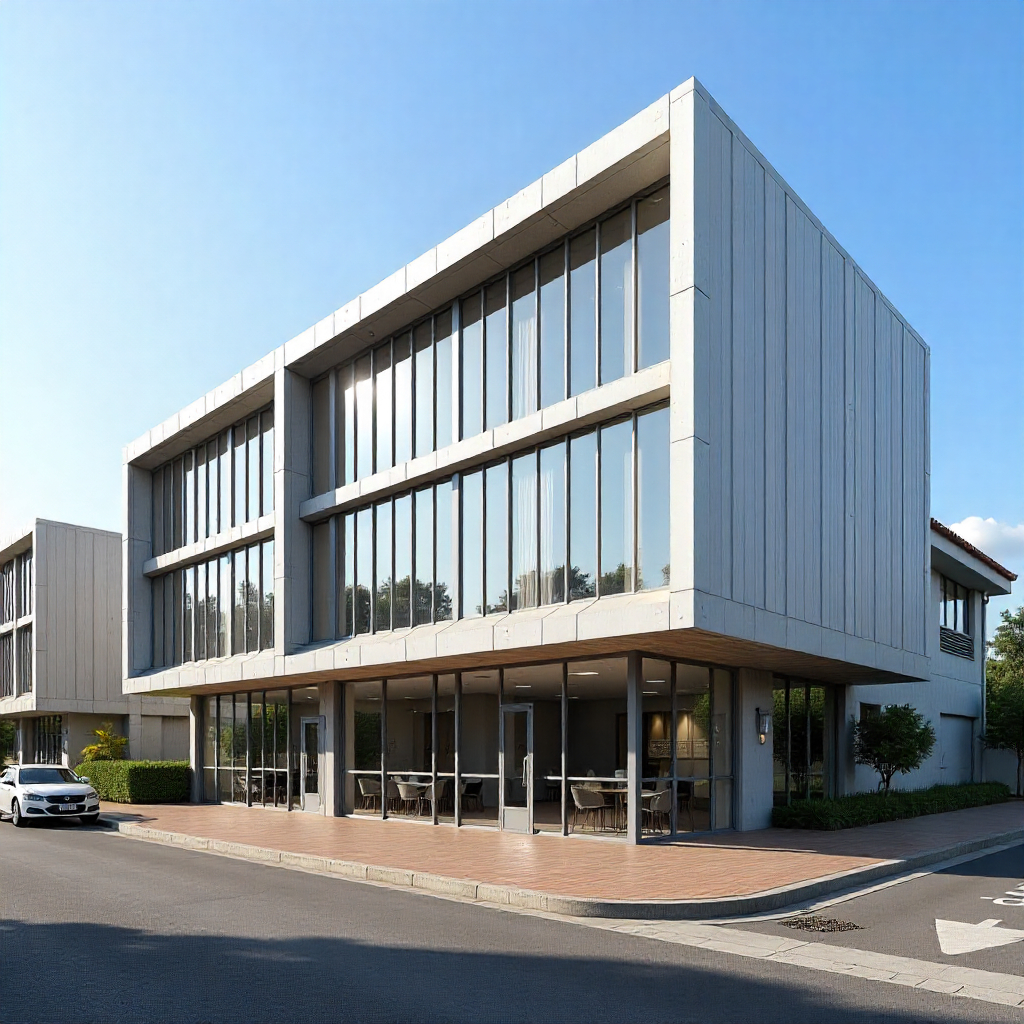
Aluminium Facade Lifespan for Zimbabwean Buildings
As Accend Aluminium & Glass, based in Roodepoort and Randburg, you might often get asked: how durable are aluminium facades, especially under Zimbabwe’s unique climate? In this detailed blog post, we answer that question — helping commercial developers, architects, and building owners understand what lifespan to expect, and how to maximise return on investment.
Understanding Zimbabwe’s Climate and Its Effects on Aluminium Facades
Zimbabwe’s climate varies between regions, but generally presents two challenging factors for façade systems:
-
High UV exposure: With strong sunlight for much of the year, UV radiation can degrade coatings and accelerate oxidation.
-
Seasonal rain: The rainy season can bring heavy downpours, which can stress joints, flashing, and seals.
These conditions can test any building envelope, but aluminium facades, when specified and maintained well, perform remarkably under such stress.
Expected Lifespan of Aluminium Facades
Aluminium is naturally corrosion-resistant. Unlike steel, it does not rust — it forms a stable oxide layer that protects the metal underneath.
But how long can a well-designed aluminium facade realistically last?
-
According to industry specialists like Xtra Metal, a typical aluminium façade lasts 20 to 50+ years, depending on alloy quality, coating, and maintenance.
-
Research from PRANCE indicates that in harsh environments, properly protected aluminium panels can last 25 to 40 years.
-
In some design-lifecycle studies, aluminium cladding’s service life is estimated at 45-65 years with low maintenance.
-
More fundamental, long-term research into aluminium durability suggests that, with correct detailing, some aluminium building components can last up to 80 years or more.
These numbers show that even under Zimbabwe’s demanding climate, aluminium facades can be a long-term solution — provided they are well made, well installed, and well maintained.
Why Aluminium Stands Up Well in Zimbabwe
So what makes aluminium so durable in this climate? Here are the key factors, with relevance to commercial facades:
1. High-Quality Alloy and Coating
Commercial facades from a company like Accend Aluminium & Glass use good-grade aluminium alloys and protective coatings (such as powder-coating or PVDF) that resist UV degradation and oxidation. These finishes are critical to extending life.
2. Smart Design & Detailing
Well-designed systems — such as rain-screen cladding, ventilated cavity facades, proper flashing, and hidden fasteners — prevent water buildup and avoid galvanic corrosion.
Also, avoiding crevices where water can stagnate is crucial.
3. Regular Maintenance
Maintenance greatly affects longevity. Even the most durable aluminium façade will underperform without periodic cleaning, inspection, and occasional recoating.
Accessible design for maintenance (like allowing rain to wash over surfaces, or access for manual cleaning) helps protect the façade.
4. Recycling & Sustainability
Aluminium is 100% recyclable. That means at the end of its life (or whenever a refurbishment is needed), the material can be repurposed—reinforcing both sustainable building practices and long-term value.
What This Means for Clients of Accend Aluminium & Glass
For commercial building owners in Zimbabwe considering aluminium facades from Accend Aluminium & Glass, here is what you can expect and how to maximise lifespan:
-
Design phase: Work with Accend’s design and spec development team to select the right alloy, finish, and façade system that suits Zimbabwe’s UV and rainfall stressors. (See their design services on their “About” page.)
-
Quality installation: Ensure the installer (such as Accend’s team) uses best practices — correct flashing, drainage, and anchoring — to prevent water retention and galvanic corrosion.
-
Maintenance plan: Set up a maintenance schedule — regular rinsing, inspections, and eventual recoating. Accend Aluminium & Glass, with its decades of experience, can help you plan this.
-
Warranty and service: Negotiate for long-term performance warranties. Because of the long life of aluminium, building owners should consider a lifecycle-oriented maintenance model.
Risks That Could Shorten Lifespan — And How to Mitigate Them
While aluminium is robust, certain risks could reduce its service life:
-
Poor quality finishing: Low-grade finishes fade faster, peel, or corrode. Always demand high-performance coatings.
-
Incorrect fabrication / detailing: If joints, fasteners, or flashing are wrongly designed, water can be trapped, leading to corrosion or sealant failure.
-
Lack of maintenance: Without cleaning, dirt, salt deposits, or pollutants can degrade protective layers.
-
Electrochemical (bimetallic) corrosion: If aluminium meets dissimilar metals without proper isolation, galvanic corrosion can occur.
Accend Aluminium & Glass can play a central role in advising on and implementing all these mitigation strategies.
Conclusion
In summary: commercial aluminium facades installed by a high-quality provider like Accend Aluminium & Glass can last anywhere from 25 up to 50 years or even more in Zimbabwe’s climate, depending largely on material specification, design, and maintenance.
For building owners, that translates into a long-term, cost-effective investment. With correct planning and upkeep, aluminium facades not only deliver strong aesthetics and weather resistance — they deliver decades of reliable performance.
If you’re planning your next commercial project in Zimbabwe, talk to Accend Aluminium & Glass about designing a façade system that’s built for longevity. Visit their site to explore their aluminium windows, doors, and façades.
Useful Links
-
About Accend Aluminium & Glass – their capabilities and philosophy
-
Overview of Accend’s aluminium and glass windows, doors, shop fronts
-
Xtra Metal lifecycle insights on aluminium facade lifespan
-
PRANCE article on panel durability in harsh environments
-
International aluminium-durability research (Aluminium & Durability TSC)