
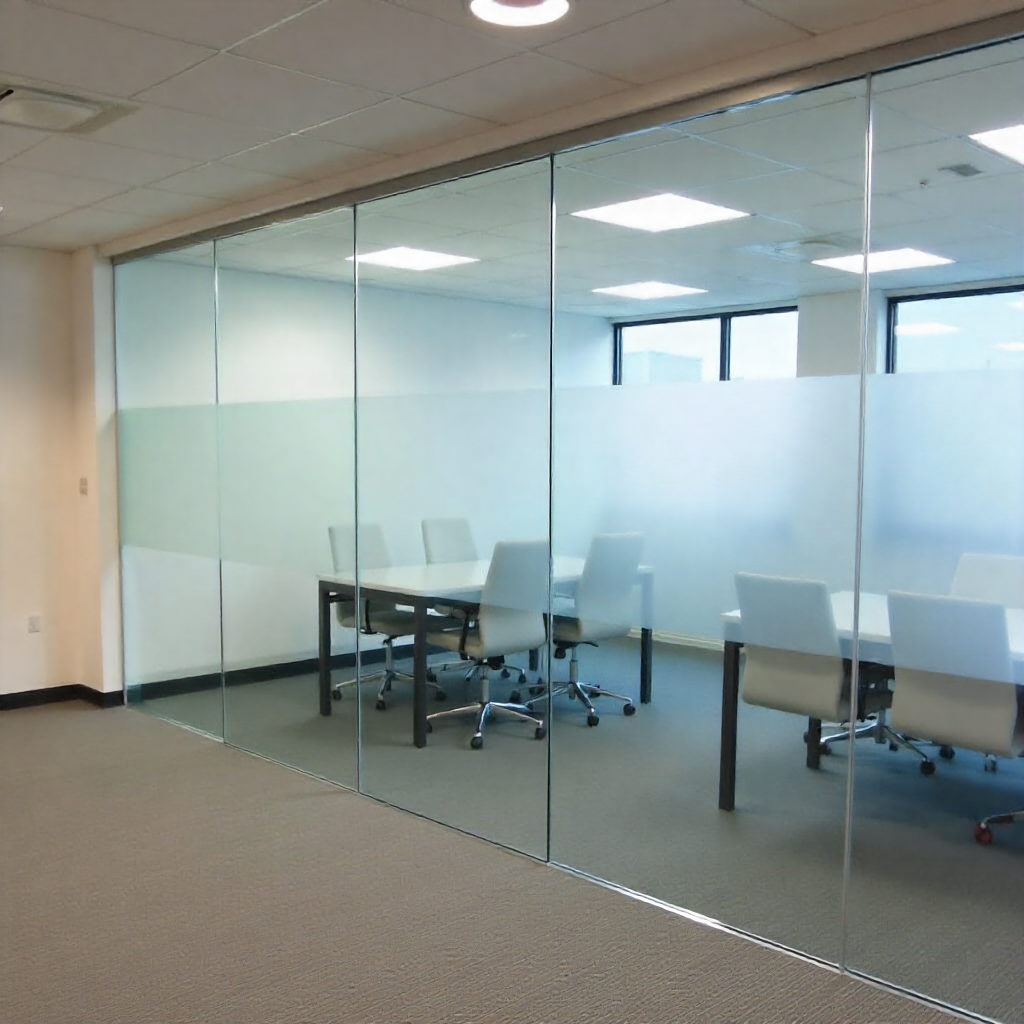
Preventing Condensation on Glass Office Partitions
As Johannesburg’s winter months approach, business owners and facility managers often notice an unwelcome visitor appearing on their glass office partitions: condensation. Those water droplets forming on your sleek glass surfaces not only obscure visibility and diminish the professional appearance of your workspace but can also lead to more serious issues like mold growth, water damage, and compromised air quality. At Accend Aluminium and Glass, serving Roodepoort and Randburg, we understand the unique challenges that Johannesburg’s winter climate presents for maintaining pristine glass office partitions.
Understanding how to prevent condensation on glass office partitions during Johannesburg winters is essential for maintaining a healthy, attractive, and functional workspace. This comprehensive guide will walk you through the science behind condensation formation, practical prevention strategies, and professional solutions to keep your office partitions crystal clear throughout the coldest months.
Understanding Condensation on Glass Office Partitions
Before implementing prevention strategies, it’s important to understand what causes condensation to form on glass surfaces. Condensation occurs when warm, moisture-laden air comes into contact with a cold surface, such as a glass partition. When this happens, the air reaches its dew point, causing the water vapor held in the warm air to transform into visible water droplets on the glass surface.
During Johannesburg winters, temperatures can drop significantly, particularly during early morning hours and overnight. While Johannesburg doesn’t experience the extreme cold of some regions, temperatures regularly dip below 10°C, with July typically being the coldest month. The temperature difference between heated indoor spaces and the cooler glass surfaces creates ideal conditions for condensation to form on glass office partitions.
Several factors contribute to condensation formation in commercial spaces. High indoor humidity levels from activities like making hot beverages, cooking in office kitchenettes, or simply from human respiration increase moisture in the air. Poor ventilation systems that fail to adequately circulate air or remove excess moisture exacerbate the problem. Temperature differentials between heated indoor spaces and cold exterior conditions make glass surfaces the coldest point in a room, attracting moisture. Additionally, the quality and insulation properties of the glass itself play a crucial role in whether condensation will form.
The Impact of Condensation on Office Environments
Allowing condensation to persist on your glass office partitions isn’t just an aesthetic concern. The constant presence of moisture creates an ideal breeding ground for mold and mildew, which can pose health risks to employees and visitors. Over time, repeated condensation cycles can lead to water damage on surrounding materials, including flooring, window frames, and aluminium components. The moisture can compromise the integrity of seals and joints, potentially leading to costly repairs.
From a practical standpoint, condensation-covered glass partitions defeat the purpose of having transparent divisions in your office space. The lack of visibility disrupts the open, collaborative atmosphere that modern glass office partitions are designed to create. Furthermore, the presence of visible condensation can create an impression of poor maintenance and unprofessionalism, which is particularly problematic for businesses that regularly host clients or customers.
Effective Strategies to Prevent Condensation on Glass Office Partitions
Optimize Indoor Humidity Levels
Maintaining proper humidity levels is your first line of defense against condensation on glass office partitions. According to environmental health experts, indoor relative humidity should ideally range between 30-40% during winter months. This range prevents condensation while maintaining comfortable conditions for building occupants.
Installing commercial-grade dehumidifiers in areas prone to excess moisture, such as kitchenettes and restrooms, can significantly reduce humidity levels. Position these devices strategically throughout your office space, particularly near glass partitions. Consider using a hygrometer to monitor humidity levels regularly, allowing you to make adjustments before condensation becomes visible. Many modern commercial dehumidifiers feature built-in hygrometers and automatic humidity controls, making maintenance effortless.
Improve Ventilation Systems
Adequate ventilation is crucial for preventing condensation on glass office partitions during Johannesburg winters. Proper air circulation allows moisture to escape from the building before it condenses on cold surfaces. Ensure your HVAC system is functioning optimally and is appropriately sized for your office space. Have your ventilation system professionally inspected and serviced before winter arrives to ensure peak performance during the critical months.
Encourage cross-ventilation by strategically opening windows during warmer parts of the day, even briefly, to allow moisture-laden air to escape and fresh air to circulate. Install or upgrade extractor fans in high-moisture areas like kitchens and bathrooms. These fans should be used whenever activities generating steam or moisture occur. Consider installing positive input ventilation systems that continuously introduce fresh, filtered air into your workspace while expelling stale, humid air.
Manage Indoor Temperature Consistently
Temperature management plays a vital role in preventing condensation on glass office partitions. Rather than allowing temperatures to fluctuate dramatically throughout the day, maintain consistent, moderate heating levels. Extreme temperature swings between day and night create ideal conditions for condensation formation. When heating is turned off overnight, glass surfaces become extremely cold. When heating resumes in the morning, the rapid warming of air while glass remains cold causes immediate condensation.
Maintain a steady baseline temperature throughout occupied and unoccupied hours, adjusting only slightly rather than turning heating completely off. Position heating vents or radiators near glass partitions where feasible, as the warm air flow across glass surfaces helps maintain surface temperatures above the dew point. While this strategy may seem counterintuitive from an energy-saving perspective, the moderate, consistent approach often proves more energy-efficient than dealing with extreme temperature swings while also protecting your glass installations from condensation damage.
Choose the Right Glass for Your Climate
At Accend Aluminium and Glass, we understand that the type of glass used in your office partitions significantly impacts condensation formation. Standard single-pane glass offers minimal insulation and is highly susceptible to condensation during winter months. The glass surface temperature closely matches outdoor temperatures, making condensation almost inevitable in heated indoor spaces.
Double-glazed or insulated glass units consist of two panes of glass separated by an air space or gas-filled cavity, providing superior insulation. This design keeps the inner glass surface warmer, dramatically reducing condensation risk. For optimal performance in Johannesburg’s climate, consider specifying double-glazed units with low-emissivity coatings. These specialized coatings reflect heat back into the room while allowing light to pass through, further improving thermal performance.
When planning new installations or upgrades to your existing glass partitions, consult with our experienced team at Accend Aluminium and Glass to select the most appropriate glass specifications for your specific requirements and budget. Our expertise in aluminium shopfronts and glass installations ensures you receive professional guidance tailored to local climate conditions.
Maintain Clear Air Flow Around Glass Surfaces
Obstructions that prevent air circulation around glass partitions can create cold spots where condensation readily forms. Avoid placing furniture, storage items, or decorative elements directly against glass partitions, as these block warm air from circulating across glass surfaces. Maintain a minimum clearance of 15-20 centimeters where possible to allow adequate air movement.
If your office design includes window treatments or privacy films on glass partitions, ensure they don’t seal tightly against the glass. Keep blinds, curtains, or screens slightly open or use designs that allow air circulation behind them. During particularly cold periods, consider leaving window treatments open overnight to allow heating system air to reach the glass surfaces. This practice is especially important for glass partitions adjacent to exterior walls or windows where temperatures drop most significantly.
Implement Daily Moisture Management Practices
Establishing moisture management protocols within your office environment can significantly reduce condensation on glass office partitions. Educate staff members about the relationship between everyday activities and condensation formation. When preparing hot beverages or meals in office kitchenettes, ensure extractor fans are running and doors remain closed to contain moisture. After activities that generate steam, open windows briefly to allow moisture to escape rather than letting it disperse throughout the office.
Discourage the practice of drying wet items on radiators or in poorly ventilated spaces, as this releases significant moisture into the air. If your office includes plants, be mindful of their moisture contribution. While plants improve air quality and aesthetics, overwatering or having too many plants in enclosed spaces can elevate humidity levels. Water plants in the morning and ensure proper drainage to minimize moisture release into the air.
Professional Solutions from Accend Aluminium and Glass
For businesses in Roodepoort and Randburg experiencing persistent condensation issues despite implementing preventive measures, professional intervention may be necessary. At Accend Aluminium and Glass, we offer comprehensive solutions tailored to your specific condensation challenges.
Our team can assess your existing glass partition installations to identify structural or installation issues contributing to condensation problems. We provide expert recommendations for upgrading to more thermally efficient glass systems, including retrofit solutions that improve performance without requiring complete replacement. Our professional installation services ensure proper sealing, adequate spacing, and optimal thermal performance of your glass partitions.
We also offer specialized anti-condensation treatments and coatings that can be applied to existing glass surfaces. These treatments work by making the glass surface more hydrophilic, causing moisture to spread into an even, thin layer rather than forming disruptive droplets. This technology has been shown to improve light transmission by 2-14% in conditions where condensation would otherwise form.
For comprehensive office renovations or new installations, we work closely with you to design glass partition systems optimized for Johannesburg’s climate. Our range of aluminium doors and partition solutions can be customized with appropriate glazing specifications to minimize condensation risk while maintaining the aesthetic and functional benefits of glass divisions.
When to Seek Professional Help
While many condensation prevention strategies can be implemented independently, certain situations warrant professional assessment. If you notice condensation forming between the panes of double-glazed partitions, this indicates seal failure requiring immediate attention. Persistent condensation despite implementing multiple prevention strategies suggests underlying HVAC or building envelope issues that require expert diagnosis. The appearance of mold, mildew, or water damage around glass partitions indicates that condensation has progressed beyond a cosmetic issue and requires professional remediation.
Visible deterioration of seals, frames, or surrounding materials signals that moisture has been causing damage that needs addressing before it worsens. If your glass partitions are approaching the end of their expected lifespan, upgrading to modern, thermally efficient systems may prove more cost-effective than continual maintenance of outdated installations.
The Accend Aluminium and Glass Advantage
With over 30 years of combined experience serving the Johannesburg area, Accend Aluminium and Glass brings unmatched expertise to every project. We understand the unique climate challenges facing businesses in Roodepoort, Randburg, and surrounding areas. Our team stays current with the latest technologies and best practices in glass and aluminium installations, ensuring you benefit from cutting-edge solutions.
We pride ourselves on providing transparent pricing and detailed quotations, so you understand exactly what you’re receiving and why specific recommendations are made. Our commitment to customer satisfaction means we don’t simply install products and walk away; we build lasting relationships with our clients and remain available to address questions or concerns long after installation completion.
Whether you’re dealing with existing condensation problems or planning new installations, our experienced professionals can guide you toward solutions that balance performance, aesthetics, and budget. We offer free consultations and site assessments, allowing us to provide accurate recommendations based on your specific circumstances rather than generic advice.
Maintaining Your Investment Throughout Winter
Once you’ve implemented condensation prevention strategies, maintaining vigilance throughout Johannesburg’s winter months ensures continued performance. Establish a regular inspection routine, checking glass partitions weekly for signs of condensation, particularly during the coldest parts of the morning. Document patterns you observe, noting which areas are most affected and under what conditions, as this information proves valuable for troubleshooting persistent issues.
Monitor and adjust dehumidifiers and ventilation systems as needed, recognizing that requirements may change as weather patterns shift throughout winter. Keep glass surfaces clean, as dirt and grime can attract and hold moisture, exacerbating condensation problems. Schedule professional maintenance for HVAC systems before winter arrives and again mid-season to ensure optimal performance during peak demand periods.
Conclusion
Preventing condensation on glass office partitions during Johannesburg winters requires a multifaceted approach combining environmental control, proper system maintenance, and quality materials. By understanding the science behind condensation formation and implementing the strategies outlined in this guide, you can maintain clear, attractive glass partitions throughout the coldest months while protecting your investment and creating a healthier workspace for employees and visitors.
At Accend Aluminium and Glass, we’re committed to helping businesses in Roodepoort, Randburg, and throughout Johannesburg achieve optimal performance from their glass installations. Whether you need consultation on existing condensation issues, are planning new installations, or simply want expert advice on maintaining your current systems, our team stands ready to assist.
Don’t let condensation compromise the appearance and functionality of your office space this winter. Contact Accend Aluminium and Glass today for a free consultation and discover how our expertise in glass and aluminium solutions can help you create and maintain the professional environment your business deserves. Visit our website at https://2ag.co.za/ or reach out directly to discuss your specific needs. With proper planning and expert support, you can enjoy crystal-clear glass office partitions throughout Johannesburg’s winter season and beyond.