
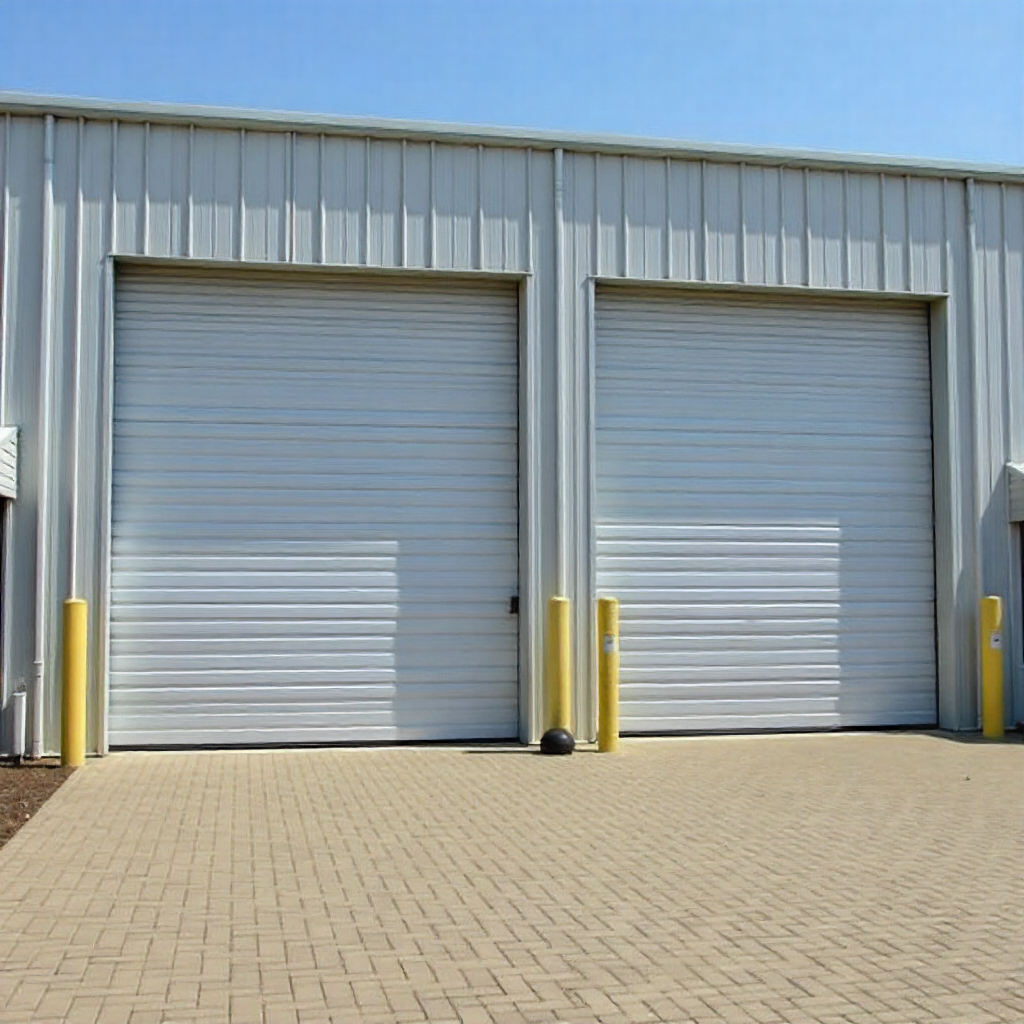
Aluminium vs Steel for Industrial Warehouse Doors
When it comes to choosing industrial warehouse doors for factories in Bulawayo, the material you select can significantly affect cost, durability, maintenance, and energy efficiency. For a forward-thinking company like Accend Aluminium & Glass, based in Roodepoort and Randburg, it’s worth examining whether aluminium or steel is the smarter choice for your industrial clients in Zimbabwe. Below, we break down the key factors and make a recommendation tailored to Bulawayo’s industrial context.
Why Material Choice Matters for Bulawayo Factories
Bulawayo, Zimbabwe’s second-largest city, has a semi-arid climate, marked by hot summers and moderately cold winters. Industrial buildings there must contend with temperature swings, possible moisture exposure, and the need for secure, long-lasting infrastructure. For factory owners, selecting an optimal door material is not just about upfront cost — it’s about long-term performance, safety, and energy costs.
Strength & Security: Steel vs Aluminium
Steel is often seen as the go-to for strength and security in industrial applications. It’s very robust, highly impact-resistant, and can be designed to withstand severe force. In fact, the natural strength of steel makes it optimal for environments where security, wind load, and fire resistance matter. Steel Door Institute+2CS Doors+2
On the other hand, aluminium is lighter, but that doesn’t mean it’s weak. Modern aluminium warehouse doors can be engineered with reinforced cores or combined with toughened glass. However, compared to steel, aluminium generally offers less impact resistance. Native Doors+2CS Doors+2
Verdict on security:
-
Use steel doors where maximum physical security and resilience matter most (e.g., for high-risk or high-traffic areas).
-
Consider reinforced aluminium when you want a balance between strength and weight, especially if large spans or glazed panels are needed.
Corrosion & Maintenance
One of aluminium’s strongest advantages is its natural resistance to rust. This makes it inherently low‑maintenance — it doesn’t require frequent repainting or protective coatings. Melbourne’s Builder+1 Aluminium also ages gracefully, simply requiring cleaning rather than structural overhaul. Aussie Aluminium Enterprise
Steel, while very durable, can corrode over time if exposed to moisture and not properly coated or maintained. Native Doors Regular maintenance is necessary to protect steel doors from rust, which can add to long-term cost and downtime.
Verdict on maintenance:
-
Aluminium is more cost-effective in maintenance and ideal for long-term resilience in moderate to humid environments.
-
Steel demands more upkeep, especially in environments with exposure to moisture or where coatings may degrade.
Thermal Performance & Energy Efficiency
In warehouse settings, controlling heat gain or loss can influence energy costs. Aluminium is a good conductor of heat, which means, if not designed smartly, it can allow significant heat transfer. However, thermally broken aluminium frames combined with insulated glazing can deliver excellent performance. Native Doors+1
Steel doors, particularly those with insulated cores (e.g., foam or polystyrene), can offer superior thermal resistance. Native Doors That said, uninsulated steel, depending on its design, can also transfer heat, so specification matters.
Verdict on energy efficiency:
-
Go for thermally broken aluminium if you want a sleek modern look but still need good insulation.
-
Choose insulated steel doors when thermal control is critical, such as in warehouses handling temperature-sensitive goods.
Weight, Installation & Structural Impact
Aluminium’s lightweight nature makes it easier and cheaper to install. It reduces stress on the frame and supporting structure, which is a key advantage in industrial buildings. Decorio
Conversely, steel’s heavier weight can complicate installation. It may require more robust framing and lifting equipment, potentially raising installation costs. Native Doors+1
Verdict on installation:
-
If your project prioritises speed, reduced labor costs, and ease of handling, aluminium wins.
-
If weight is not a concern and structural frames are sufficiently strong, steel remains viable — especially where its strength is required.
Design Flexibility & Aesthetics
Aluminium really shines when it comes to design flexibility. Its malleability allows custom profiles, slim sightlines, and large glass panels — perfect for modern industrial architecture or warehouses that want plenty of natural light. Patishon
Steel, while customizable, is generally more utilitarian in appearance. Nonetheless, modern steel door manufacturers can offer a wide range of finishes and design options. Totally Steel Doors
Verdict on design:
-
Use aluminium when you want a contemporary, minimalistic industrial look or when glazing is important.
-
Use steel when aesthetics are less of a concern or when the industrial aesthetic aligns with the client’s brand identity.
Lifecycle Cost & Sustainability
Although aluminium often costs more upfront, its low maintenance, resistance to corrosion, and long lifespan can deliver superior value over time. Decorio+1 Plus, aluminium is highly recyclable, making it an environmentally friendly choice. Fenex1
Steel also has strong sustainability credentials — it’s infinitely recyclable. Steel Door Institute However, the heavier weight and maintenance costs can erode some long-term savings.
Verdict on lifecycle:
-
Aluminium offers a lower total cost of ownership if you factor in maintenance, durability, and recyclability.
-
Steel may be more economical upfront, but you need to account for future upkeep and structural implications.
Which Material Makes the Most Sense for Bulawayo Factories — From Accend Aluminium & Glass’s Perspective
Given the climate, logistical context, and industrial demands in Bulawayo, aluminium often emerges as the better choice for warehouse doors — especially for factories that value modern aesthetics, longevity, and low maintenance. For Accend Aluminium & Glass, specialising in high-quality aluminium systems, this is a strong selling point to your Zimbabwean industrial clients.
However, steel still has a role. In areas where security is paramount — for example, high-risk zones or where forced entry is a concern — insulated steel doors may remain the best fit. Using a hybrid strategy, you could propose aluminium for most of the warehouse perimeter and steel for security-critical zones.
How Accend Aluminium & Glass Can Help
As an expert aluminium and glass fabricator, Accend Aluminium & Glass deeply understands the benefits of customised aluminium door systems. On your website, you highlight your wide product range — from heavy-duty sliding doors to folding systems. 2AG+1
Your team, with over 30 years of experience, can design and deliver thermally broken aluminium doors tailored to industrial specs, whether for Bulawayo or elsewhere. 2AG
By consulting early, you can help factory owners in Bulawayo weigh aluminium’s lifespan, energy savings, and structural benefits versus steel’s brute strength — ensuring they choose the right material for their long-term operations.
Conclusion
-
Aluminium offers advantages in corrosion resistance, maintenance, aesthetic flexibility, and long-term cost — making it a very compelling choice for Bulawayo factories.
-
Steel remains the heavy-duty champion in strength and security but comes with higher maintenance and installation demands.
-
For many industrial clients, a hybrid solution may be optimal: aluminium for general areas, steel where security is non-negotiable.
-
As Accend Aluminium & Glass, your expertise in aluminium fabrication positions you strongly to deliver value, durability, and tailored solutions to Zimbabwean industrial projects.