
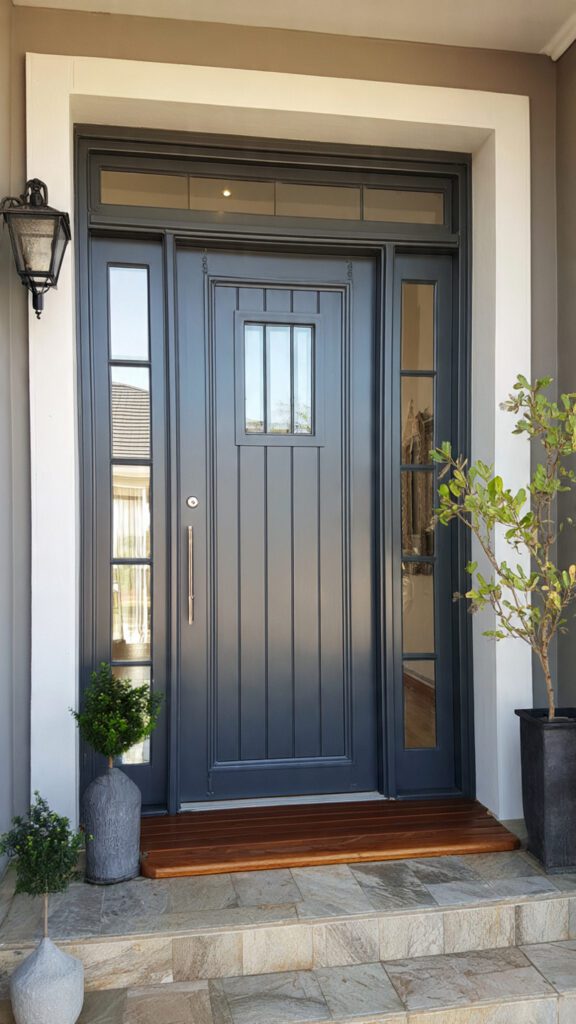
Aluminium Doors in Zimbabwe: 5 Things to Know
Straight talk about what actually works in our summers and winters
Zimbabwe’s dramatic temperature swings demand more from your aluminium door installation than standard approaches deliver. Most contractors won’t share these critical insights because they complicate the installation process or cut into profit margins. However, understanding these factors separates a door that performs beautifully for decades from one that disappoints within months.
The Real Challenge Behind Zimbabwe’s Temperature Extremes
Zimbabwe’s climate creates unique challenges for aluminium door installations that many contractors overlook. Summer temperatures soar beyond 32°C in the lowveld regions, while winter nights on the Highveld plateau can plummet to near freezing. This dramatic range spans more than 30°C throughout the year.
Your contractor might install doors the same way they would in a mild climate. This approach ignores thermal expansion, which becomes critical when aluminium faces such extreme conditions. Understanding this reality protects your investment and ensures lasting performance.
Secret #1: Thermal Expansion Will Affect Your Doors (And They Know It)
Aluminium expands when heated. This isn’t speculation; it’s physics. The metal’s coefficient of thermal expansion means your doors grow slightly during Zimbabwe’s scorching October heat and contract during cold June mornings.
Most contractors install doors without accounting for this movement. They use standard clearances that work in moderate climates but fail under Zimbabwe’s temperature extremes. Consequently, doors that operate smoothly during installation start sticking during summer or develop gaps in winter.
Professional installations include calculated clearances specifically designed for thermal movement. These allowances let the door expand and contract without compromising operation. Additionally, flexible weatherstripping materials absorb this movement, maintaining proper seals throughout seasonal changes.
The aluminium windows and doors from Accend Aluminium and Glass incorporate these critical design elements. Their experienced team understands Zimbabwe’s climate demands and adjusts installation specifications accordingly.
Secret #2: Glass Selection Matters More Than You Think
Your contractor probably emphasizes frame quality and hardware but glosses over glass selection. Yet glass comprises the majority of most door surfaces and dramatically impacts thermal performance.
Standard clear glass allows approximately 60% of solar heat to pass through. During Zimbabwe’s intense summer months, this heat transfer makes interior spaces uncomfortable and drives up cooling costs. Moreover, regular glass provides minimal insulation during cold Highveld winters.
Solar control glass reduces heat transmission by nearly half compared to conventional glazing. This technology reflects infrared radiation while allowing visible light to enter. Furthermore, double-glazed units create insulating air pockets that moderate temperature transfer in both directions.
Double-glazed aluminium windows and doors significantly enhance energy efficiency. The technology works by trapping air between glass layers, creating a thermal barrier. This approach proves particularly valuable for properties in Harare and other Highveld locations where temperature variations challenge conventional installations.
Secret #3: Powder Coating Quality Determines Longevity
Zimbabwe’s intense UV radiation and dramatic temperature fluctuations punish inferior finishes. Standard powder coating might look identical to premium alternatives initially, but performance diverges rapidly under harsh conditions.
Budget contractors often source cheaper powder coating to maximize margins. These inferior finishes fade within months under Zimbabwe’s strong ultraviolet exposure. Additionally, thermal cycling causes premature cracking and chalking that compromises both appearance and protection.
Premium powder coating systems include UV stabilizers that resist degradation from sunlight. These advanced formulations maintain color integrity and protective properties despite constant exposure. Furthermore, proper application thickness and curing processes ensure adhesion that withstands thermal expansion cycles.
The difference becomes obvious within the first year. Budget finishes show visible deterioration, while quality coatings maintain their appearance and protection. Accend Aluminium and Glass uses premium powder coating that withstands Zimbabwe’s demanding climate, protecting your investment long-term.
Secret #4: Proper Drainage Prevents Catastrophic Failures
Zimbabwe’s rainy season brings sudden, intense afternoon thunderstorms from November through March. These dramatic downpours test door drainage systems severely. Yet many contractors treat drainage as an afterthought rather than a critical design element.
Water that penetrates door frames without proper drainage pathways causes multiple problems. Trapped moisture promotes corrosion at connection points, even in aluminium systems. Moreover, standing water damages surrounding construction materials and creates conditions for mold growth.
Professional installations incorporate weep holes positioned strategically to drain accumulated water. These openings allow moisture to escape while preventing entry of insects and debris. Additionally, proper sill design directs water away from the building rather than allowing it to pool against the structure.
The orientation of your door matters significantly. South-facing doors receive maximum solar exposure in Zimbabwe’s southern hemisphere location, intensifying thermal challenges. Eastern exposures face morning sun but avoid the afternoon’s most intense heat. Meanwhile, western orientations endure late-day solar gain that persists into evening hours.
Contractors should adjust installation details based on exposure. South-facing installations particularly benefit from enhanced thermal management features. Professional shopfront installations from Accend demonstrate these principles, incorporating climate-appropriate design elements that ensure lasting performance.
Secret #5: Installation Timing Affects Long-Term Performance
Most contractors schedule installations based on their availability and project flow rather than optimal conditions. However, installation during extreme temperatures creates problems that emerge months or years later.
Installing during Zimbabwe’s October heat means doors undergo measurement and fitting while aluminium remains maximally expanded. When cooler weather arrives, the contracted metal reveals gaps that compromise weathersealing. Conversely, winter installations create excessive clearances that rattle and leak during summer expansion.
Ideal installation occurs during moderate temperature periods in April through May or August through September. These transitional months feature temperatures near annual averages, allowing contractors to establish proper clearances that accommodate seasonal extremes in both directions.
Furthermore, humidity during the rainy season affects sealant curing and paint adhesion. Professional contractors schedule installations to avoid these conditions when possible or adjust materials and procedures to compensate for environmental factors.
Understanding Thermal Break Technology
Advanced aluminium door systems incorporate thermal break technology that significantly enhances performance in Zimbabwe’s climate. This innovation places non-conductive material between interior and exterior aluminium sections, interrupting heat transfer pathways.
Thermal breaks serve dual purposes in Zimbabwe’s climate extremes. During hot summers, they prevent exterior heat from conducting to interior spaces, reducing cooling loads. In cold winters, they prevent interior warmth from escaping through the frame, improving insulation.
According to international standards, aluminium naturally conducts heat readily, creating thermal bridges that compromise energy efficiency. Thermal break technology eliminates these bridges, transforming aluminium doors from poor insulators to excellent performers. The polyamide or polyurethane barriers resist heat flow while maintaining structural integrity.
Additionally, thermal breaks reduce condensation formation. When warm, humid interior air contacts cold aluminium surfaces during winter, moisture condenses. This condensation damages finishes, promotes corrosion, and creates conditions for mold growth. Thermal breaks keep interior frame surfaces warmer, preventing condensation even during cold Highveld mornings.
The Critical Importance of Professional Installation
Zimbabwe’s climate demands professional installation that accounts for local conditions. DIY attempts or inexperienced contractors inevitably overlook critical details that ensure lasting performance.
Professional installers conduct thorough site assessments before beginning work. They evaluate exposure, existing structural conditions, and specific climate challenges for your location. This preparation allows them to customize installation details rather than applying generic approaches.
Furthermore, experienced teams maintain relationships with quality suppliers who provide materials suitable for Zimbabwe’s demanding environment. They specify appropriate glazing, hardware, and finishing systems rather than accepting whatever proves most readily available.
Accend Aluminium and Glass brings over 30 years of combined experience to every installation. Their team understands Zimbabwe’s climate challenges intimately and adjusts every aspect of installation to ensure optimal performance. This expertise delivers doors that operate smoothly and maintain their appearance throughout decades of service.
Making Informed Decisions About Your Installation
Understanding these five critical factors empowers you to evaluate contractors and make informed decisions. Don’t accept vague assurances about quality without specific details regarding thermal management, materials, and installation procedures.
Ask potential contractors specific questions about thermal expansion allowances. Request details about glass specifications and powder coating systems. Inquire about drainage provisions and installation timing considerations. Quality contractors welcome these questions because they demonstrate your understanding and seriousness.
Furthermore, examine previous installations, particularly those completed several years ago. Recent work shows initial appearance but reveals nothing about long-term performance. Doors installed three to five years earlier demonstrate how materials and installation quality withstand Zimbabwe’s climate challenges.
Why Location-Specific Expertise Matters
While Accend Aluminium and Glass operates primarily in Roodepoort and Randburg, their expertise with South African climates translates directly to Zimbabwe’s conditions. Both regions experience similar temperature ranges, intense UV exposure, and dramatic seasonal variations.
The company’s experience with aluminium door installations across diverse South African climates provides insights applicable throughout the region. Their understanding of thermal management, appropriate materials, and professional installation standards ensures performance regardless of specific location.
Moreover, their commitment to using quality materials and proper installation techniques delivers results that withstand the harshest conditions. Whether facing Johannesburg’s summer heat or Zimbabwe’s Highveld winters, properly specified and installed aluminium doors perform reliably for decades.
Taking Action on Your Installation Project
Don’t let contractors take shortcuts that compromise your investment. Armed with this knowledge, you can demand installation quality that matches Zimbabwe’s challenging climate.
Start by requesting detailed specifications for proposed installations. Compare glass types, thermal management provisions, and drainage systems across different proposals. Evaluate contractors based on their understanding of local climate challenges rather than simply accepting the lowest price.
Quality aluminium door installation requires expertise, appropriate materials, and attention to detail. The modest additional investment in professional installation pays dividends through decades of reliable performance, maintained appearance, and energy efficiency.
Contact Accend Aluminium and Glass for installations that account for every critical factor affecting long-term performance. Their team delivers the expertise and quality materials that Zimbabwe’s climate demands, ensuring your doors perform flawlessly throughout their extended service life.
Ready to discuss your aluminium door installation with professionals who understand what Zimbabwe’s climate demands? Contact Accend Aluminium and Glass for a detailed consultation and transparent quote that accounts for all critical performance factors.