
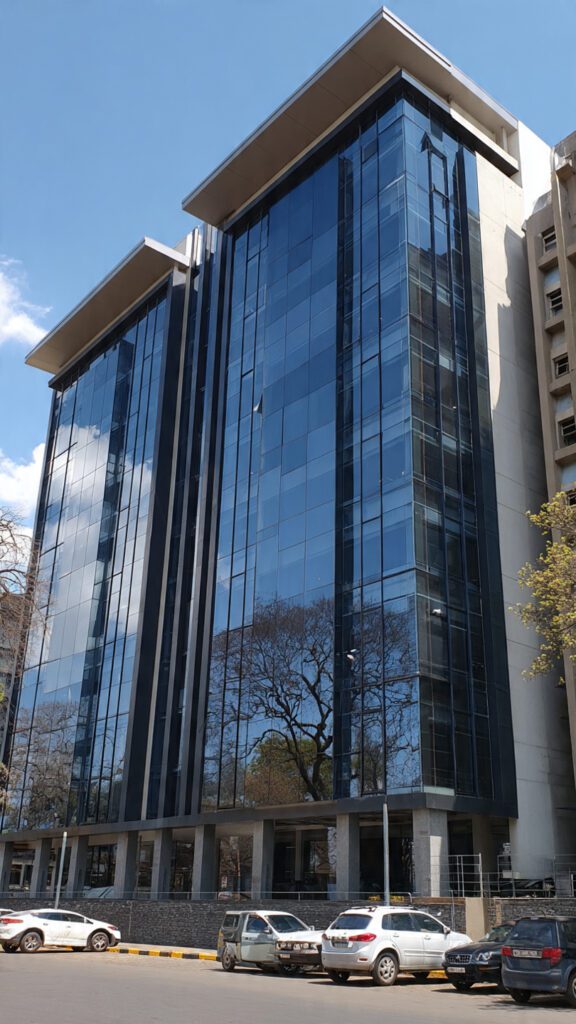
How Smart Aluminium Window Installations Are Cooling Costs for Harare Businesses
Energy costs continue to rise across Zimbabwe. Moreover, businesses face mounting pressure to reduce operational expenses. One Borrowdale office complex discovered an unexpected solution that cut their monthly ZESA bill by 40%. Surprisingly, the answer wasn’t solar panels or expensive air conditioning upgrades. Instead, they turned to modern aluminium window installations.
This remarkable transformation reveals a powerful truth for Harare property owners. Strategic window replacements deliver substantial energy savings while enhancing building aesthetics. Furthermore, the right aluminium and glass solutions create comfortable work environments that boost productivity.
Why Aluminium Windows Transform Energy Efficiency
The Heat Transfer Problem
Modern aluminium windows operate differently from outdated installations. Traditional windows allow heat to pour into buildings throughout Harare’s hot seasons. Consequently, air conditioning systems work overtime to maintain comfortable temperatures. This constant strain drives electricity consumption upward.
How Smart Windows Interrupt the Cycle
Smart aluminium window systems interrupt this cycle effectively. They feature thermal break technology that creates barriers against heat transfer. Additionally, these windows incorporate low-emissivity glass coatings that reflect infrared radiation while allowing natural light to enter. Building owners who upgrade to quality aluminium windows experience immediate improvements in indoor climate control.
The Science Behind Energy Loss
The science proves compelling. Buildings lose over 30% of heating and cooling energy through poorly insulated windows. Therefore, addressing window performance directly impacts operational costs. Property managers who invest in energy-efficient windows recover their investment through reduced electricity bills within several years.
The Borrowdale Success Story
Initial Challenges
The office complex in Borrowdale faced spiraling energy costs. Their building featured single-pane windows installed decades earlier. During summer months, the air conditioning struggled to maintain comfortable temperatures. Staff complained about excessive heat near window areas. Meanwhile, monthly ZESA bills climbed steadily higher.
The Assessment Process
Management consulted with window specialists who conducted a comprehensive energy audit. The assessment revealed that outdated windows contributed significantly to heat gain. Subsequently, they developed a phased replacement strategy focusing on sun-facing elevations first.
Implementation and Results
The installation team selected double-glazed aluminium windows with thermal breaks. These windows incorporated argon gas fills between panes for superior insulation. Additionally, they applied low-emissivity coatings to reflect heat while preserving natural lighting. Professional installation ensured proper sealing and eliminated air infiltration.
Results arrived quickly. Furthermore, the first phase alone reduced cooling requirements by 25%. After completing all window replacements, the building achieved a 40% reduction in electricity consumption. Equally important, employee comfort improved dramatically. The investment paid for itself within three years through energy savings.
Understanding Thermal Break Technology
The Problem with Traditional Aluminium
Thermal breaks represent crucial innovations in aluminium window design. Older aluminium frames conduct heat rapidly due to the metal’s natural properties. This conductivity undermines insulation efforts and creates condensation problems. Consequently, early aluminium windows earned poor reputations for energy efficiency.
The Modern Solution
Modern manufacturers solved this challenge through strategic engineering. They insert non-conductive plastic barriers between interior and exterior aluminium sections. These thermal breaks prevent heat transfer across the frame. As a result, contemporary aluminium windows achieve energy ratings comparable to other materials.
Year-Round Performance Benefits
The thermal break system works continuously without maintenance. It keeps indoor temperatures stable during both hot and cold seasons. Buildings equipped with these advanced windows require less air conditioning in summer. They also need reduced heating during cooler months. This year-round performance makes thermal break windows particularly valuable in climates with significant temperature variations.
Research from the U.S. Department of Energy confirms that windows with proper thermal breaks reduce energy loss by 30% to 50%. These findings apply universally to commercial and residential installations. Property owners who choose advanced aluminium shopfronts gain these same benefits while creating impressive street-facing aesthetics.
Double Glazing Makes the Difference
Why Single Panes Fall Short
Single-pane windows cannot provide adequate insulation for modern commercial buildings. Heat transfers easily through single glass layers regardless of frame quality. Therefore, upgrading to double or triple glazing becomes essential for meaningful energy savings.
How Double Glazing Works
Double-glazed units contain two glass panes separated by a sealed space. Manufacturers typically fill this space with argon or krypton gas. These inert gases provide superior insulation compared to regular air. Furthermore, the gas layer creates a thermal barrier that dramatically reduces heat transfer.
Optimal Spacing for Maximum Efficiency
The gap between panes typically measures 12 to 16 millimeters for optimal performance. This spacing balances insulation properties with structural considerations. Wider gaps can allow convection currents that reduce effectiveness. Conversely, narrower gaps limit insulation capacity. Proper engineering ensures maximum efficiency.
Triple Glazing Considerations
Triple glazing adds another layer of protection for buildings requiring exceptional insulation. However, double glazing provides excellent performance for most Harare commercial applications. The cost difference between double and triple glazing often exceeds the additional energy savings in moderate climates.
Glass Selection Impact
Glass selection also impacts overall window performance. Clear glass allows maximum light transmission but offers minimal heat control. Tinted glass reduces glare and heat gain while maintaining visibility. In contrast, low-emissivity coatings provide the best balance by reflecting heat while allowing natural light to illuminate interior spaces.
Low-Emissivity Coatings Maximize Performance
Understanding Low-E Technology
Low-emissivity (Low-E) glass technology revolutionized window efficiency. These microscopic metallic coatings reflect infrared radiation while allowing visible light to pass through. Consequently, rooms receive abundant natural illumination without associated heat gain. This selective filtering creates comfortable indoor environments naturally.
Seasonal Performance Advantages
Low-E coatings work differently in various seasons. During summer, they reflect solar heat outward before it enters buildings. This reflection reduces air conditioning requirements significantly. In winter, they reflect indoor heat back into rooms rather than allowing it to escape through windows. This dual functionality provides year-round energy savings.
Climate-Specific Formulations
Different Low-E coating formulations suit specific climate needs. Some versions emphasize solar control for hot climates. Others prioritize heat retention for cold regions. Harare buildings benefit most from solar control variants that minimize heat gain during extended warm seasons. Professional aluminium window suppliers help clients select appropriate coatings for their specific situations.
Manufacturing and Durability
The coating application occurs during glass manufacturing under controlled conditions. This process ensures uniform coverage and long-lasting performance. Quality Low-E glass maintains its properties for decades without degradation. Consequently, buildings equipped with these windows enjoy consistent energy savings throughout their service life.
Studies from leading window manufacturers demonstrate that Low-E glass reduces energy loss by up to 50% compared to standard clear glass. When combined with proper frame construction and installation, these windows deliver remarkable efficiency improvements. Moreover, the technology costs only slightly more than standard glass but provides substantial ongoing savings.
Professional Installation Matters
Why Quality Installation Is Critical
Even the highest quality windows fail to deliver promised performance without proper installation. Gaps around frames allow air infiltration that undermines insulation. Poor sealing creates condensation problems and structural damage. Therefore, professional installation becomes just as important as window selection.
The Installation Process
Expert installers begin by accurately measuring openings and preparing surfaces. They ensure frames sit level and square within openings. Subsequently, they apply appropriate sealants and weather-stripping to eliminate gaps. This meticulous attention to detail prevents air leakage and water penetration.
Protecting Building Structures
The installation team also addresses flashing and drainage systems. Proper flashing diverts water away from window frames. Drainage channels prevent moisture accumulation within wall cavities. These elements protect building structures while maintaining window performance. Accend Aluminium and Glass brings over 30 years of installation expertise to every project, ensuring optimal results.
Material-Specific Expertise
Quality installers understand how different building materials interact with window systems. They adapt their techniques for concrete, brick, or steel frame structures. This knowledge prevents common installation failures that compromise energy efficiency. Additionally, experienced professionals warranty their work, providing peace of mind for property owners.
Post-Installation Verification
Post-installation inspections verify proper operation and sealing. Thermal imaging can identify any remaining air leakage points. Professional teams address these issues immediately rather than leaving problems for future discovery. This comprehensive approach maximizes return on window investment.
Beyond Energy Savings: Additional Benefits
Noise Reduction Advantages
While energy savings drive most window replacement decisions, modern aluminium windows deliver numerous additional advantages. Noise reduction improves dramatically with upgraded windows. Double-glazed units with proper sealing block external sounds effectively. Office workers experience fewer distractions from street traffic and neighboring activities. This acoustic improvement increases productivity and workplace satisfaction. Similarly, retail establishments benefit from quieter shopping environments that encourage customer engagement.
Natural Light Benefits
Natural light reaches deeper into buildings through larger glass areas. Slim aluminium frames maximize glazing without compromising structural integrity. Increased daylight exposure improves mood and reduces artificial lighting needs. Employees working in naturally lit spaces report higher job satisfaction and better health outcomes. Furthermore, studies consistently link natural lighting to reduced absenteeism and improved performance.
Enhanced Security Features
Security features integrate seamlessly into modern aluminium window designs. Multi-point locking systems resist forced entry attempts. Laminated glass options withstand impact without shattering. These security enhancements protect valuable equipment and inventory. Moreover, property insurance providers often offer reduced premiums for buildings with upgraded security features.
Low Maintenance Requirements
Low maintenance requirements make aluminium windows practical for busy commercial operations. The frames resist corrosion, warping, and fading. Regular cleaning maintains appearance without additional treatments. Unlike wood frames that require periodic painting, aluminium maintains its finish for decades. This durability reduces long-term ownership costs while preserving building aesthetics.
Custom aluminium balustrades complement window installations by extending modern aesthetics throughout properties. Coordinated designs create cohesive architectural statements that impress clients and visitors. As a result, property values increase when buildings feature contemporary, well-maintained facades.
Calculating Return on Investment
Financial Analysis Framework
Smart property managers evaluate window upgrades through careful financial analysis. Initial investment costs must balance against projected energy savings and additional benefits. This calculation determines project viability and helps prioritize building improvements.
Measurable Energy Savings
Energy savings provide the most measurable return. Buildings typically reduce electricity consumption by 25% to 40% after strategic window replacements. Monthly ZESA bills reflect these improvements immediately. Property managers can track actual savings against baseline consumption data. This transparency validates investment decisions and informs future upgrade projects.
Maintenance Cost Reductions
Reduced maintenance costs contribute to overall return. Modern windows require minimal upkeep compared to older installations. Elimination of painting, repair, and weatherproofing expenses adds up over years. These savings compound with energy reductions to improve overall return on investment.
Property Value Enhancement
Property value increases when buildings feature modern, energy-efficient systems. Prospective tenants prioritize comfort and operational efficiency. Buildings with upgraded windows command higher rental rates and attract quality tenants more quickly. Lower vacancy rates and premium rents offset initial upgrade costs.
Payback Period
Most commercial window replacement projects achieve positive return within three to five years. Buildings with particularly inefficient existing windows may recover costs even faster. Professional glass and aluminium specialists provide detailed cost-benefit analyses that account for specific building characteristics and usage patterns.
Financing Options
Financing options make window upgrades accessible for properties with limited capital budgets. Energy savings often cover monthly payments, creating immediate positive cash flow. Green building incentives and tax benefits may also reduce net investment costs. These financial tools help property owners implement necessary improvements without straining operating budgets.
Climate Considerations for Harare Buildings
Understanding Local Climate Patterns
Harare’s climate presents specific challenges and opportunities for window optimization. The city experiences warm summers with intense solar radiation. Winters bring cooler temperatures that still require occasional heating. This climate pattern demands windows that manage heat effectively in both directions.
Solar Control Priorities
Solar control becomes paramount during extended warm seasons. Windows facing north and west receive maximum sun exposure. These orientations benefit most from advanced Low-E coatings and tinting options. Strategic shading devices can supplement window performance without blocking desirable views.
Afternoon Heat Challenges
Afternoon sun creates particularly challenging conditions for west-facing windows. Heat gain peaks during late afternoon hours when buildings already store accumulated warmth. High-performance windows on western exposures deliver disproportionate energy savings. Therefore, property managers should prioritize these areas when implementing phased upgrade projects.
Natural Ventilation Opportunities
Natural ventilation opportunities exist during cooler periods. Operable window sections allow fresh air circulation without relying on mechanical systems. This passive cooling reduces energy consumption while improving indoor air quality. Modern aluminium window designs incorporate secure ventilation options that maintain building security.
Water Management Requirements
Rain patterns require proper water management systems. Quality window installations include effective drainage channels and weather seals. These features prevent water infiltration during heavy rains. Proper detailing protects interior finishes and prevents mold growth.
Choosing the Right Window Specifications
Understanding Performance Metrics
Selecting appropriate window specifications requires understanding performance metrics and their implications. Key measurements include U-factor, Solar Heat Gain Coefficient, and Visible Transmittance. These values indicate how windows manage heat and light transfer.
U-Factor Explained
U-factor measures how well windows insulate against heat flow. Lower numbers indicate better insulation performance. Quality double-glazed windows achieve U-factors below 2.0. Premium triple-glazed units can reach below 1.0. Harare buildings should target U-factors between 1.5 and 2.0 for optimal cost-effectiveness.
Solar Heat Gain Coefficient
Solar Heat Gain Coefficient (SHGC) indicates how much solar radiation passes through windows. Lower SHGC values reduce heat gain during warm weather. Harare buildings benefit from SHGC values between 0.25 and 0.40. This range blocks excessive heat while maintaining adequate natural lighting.
Visible Transmittance Balance
Visible Transmittance (VT) measures how much visible light enters through windows. Higher VT values allow more natural illumination. Balancing SHGC and VT requires careful consideration. Buildings want to maximize daylight while minimizing heat gain. Quality Low-E glass provides this balance effectively.
Frame Color and Finish
Frame color and finish also affect window performance. Lighter colors reflect more solar radiation than dark finishes. However, aesthetic considerations often override minor performance differences. Modern powder coating techniques provide durable finishes in virtually any color. Property owners can specify colors that complement existing architecture while maintaining good solar control.
According to research on energy-efficient windows, proper specification selection can improve thermal performance by 40% compared to basic window options. This performance difference translates directly to energy savings and occupant comfort. Consultation with experienced window specialists ensures optimal specification choices for specific building requirements.
Implementation Strategy for Commercial Buildings
Phased Approach Benefits
Large commercial buildings benefit from phased window replacement strategies. This approach manages costs while delivering progressive energy improvements. Strategic planning ensures minimal disruption to ongoing operations.
Priority Assessment
Priority assessment identifies windows contributing most to energy waste. Thermal imaging surveys reveal problem areas objectively. West-facing windows typically rank highest for summer cooling savings. Upper floors often show greater heat gain than lower levels. This data guides logical implementation sequences.
Verification Through Phases
Phased projects allow property managers to verify performance before committing to complete building upgrades. Initial phases demonstrate actual energy savings and validate financial projections. Success in early phases builds confidence for continued investment. Tenant feedback also informs specification adjustments for subsequent phases.
Scheduling Considerations
Scheduling around occupancy patterns minimizes business interruption. Many window installations occur during weekends or after-hours periods. Quick installation techniques reduce the time individual offices remain inaccessible. Professional crews complete standard office windows in several hours per opening.
Tenant Communication
Communication with tenants prevents surprises and maintains positive relationships. Property managers should announce project timelines well in advance. They should explain expected benefits and temporary inconveniences. Clear communication reduces complaints and demonstrates management commitment to building improvements.
Maintaining Continuity
Temporary measures maintain security and weather protection during multi-phase projects. Buildings remain fully functional between installation phases. This continuity preserves tenant satisfaction while achieving long-term upgrade objectives.
Maintenance and Long-Term Performance
Basic Cleaning Requirements
Quality aluminium windows require minimal maintenance but benefit from regular attention. Simple cleaning preserves appearance and ensures continued optimal performance. Periodic inspections identify minor issues before they become costly problems.
Glass Maintenance
Glass cleaning removes accumulated dust and environmental deposits. Standard commercial glass cleaners work effectively on modern windows. Avoid abrasive materials that might scratch glass surfaces or damage frame finishes. Clean windows also maximize natural light transmission and maintain building aesthetics.
Frame Care
Frame cleaning maintains appearance and identifies potential issues. Mild detergent solutions remove dirt and atmospheric contaminants. Particular attention to drainage channels ensures proper water management. Clear channels prevent overflow and potential water damage to surrounding structures.
Hardware Inspection
Hardware inspection verifies proper operation and security. Locks should engage smoothly without excessive force. Hinges and operators benefit from occasional lubrication with appropriate products. Worn weather-stripping requires replacement to maintain air sealing. These simple maintenance tasks preserve window performance for decades.
Professional Inspection Schedule
Professional inspections every few years identify issues requiring expert attention. Technicians verify frame integrity and seal performance. They also check for glass seal failures that could compromise insulated glazing units. Early detection of problems prevents expensive emergency repairs and maintains energy efficiency.
Warranty Protection
Quality aluminium windows from reputable manufacturers often include extended warranties. Accend Aluminium and Glass products come with comprehensive performance guarantees. These warranties protect building owners against manufacturing defects and installation issues. Proper maintenance preserves warranty coverage and maximizes window lifespan.
Transform Your Building’s Energy Performance
The Proven Success Model
The Borrowdale office complex proved that strategic window upgrades deliver exceptional returns. Their 40% energy savings demonstrate the transformative potential of modern aluminium window systems. This success story inspires other Harare property owners to evaluate their own buildings.
The Rising Cost Challenge
Energy costs will continue rising as demand increases across Zimbabwe. Buildings with outdated windows face escalating operational expenses. Meanwhile, competitors who invest in efficiency improvements gain market advantages through reduced costs and improved tenant satisfaction.
Accessible Technology
Modern aluminium window technology makes dramatic improvements accessible. Thermal breaks, double glazing, and Low-E coatings work together to create high-performance building envelopes. Professional installation ensures these advanced systems deliver promised benefits. The combination creates comfortable, cost-effective buildings that attract and retain quality tenants.
Future-Proofing Your Investment
Property owners who act now position themselves advantageously for the future. Energy-efficient buildings command premium rents and achieve higher valuations. They also contribute to environmental sustainability by reducing power consumption. This dual benefit aligns financial performance with corporate responsibility.
Expert Partnership Advantage
Accend Aluminium and Glass brings decades of experience to commercial window projects across Gauteng. Their expertise ensures proper specification, professional installation, and long-term performance. Property managers working with established specialists avoid costly mistakes and achieve optimal results.
Time to Take Action
Therefore, the question becomes not whether to upgrade windows, but when to begin. Every month of delay means continued excessive energy costs and missed savings opportunities. The Borrowdale success story proves that substantial improvements remain within reach for commercial properties.
Start by requesting a comprehensive energy assessment of your building. Thermal imaging and consumption analysis identify specific opportunities for improvement. This data-driven approach ensures upgrades target areas with maximum return potential. Contact experienced aluminium and glass specialists who understand commercial building requirements and can deliver proven results.
Your building could become the next Harare success story, achieving dramatic energy savings through smart window investments. The technology exists today to transform building performance. Professional expertise makes implementation smooth and cost-effective. Take the first step toward lower energy costs and improved building performance.