
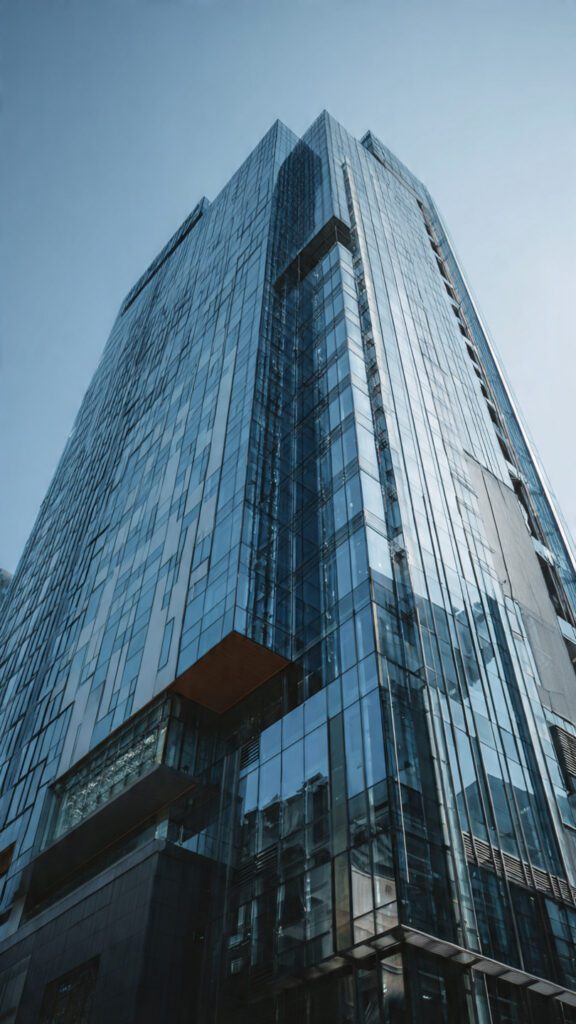
Retrofitting High-Rise Facades with Modern Aluminium Systems
Urban landscapes across Johannesburg, Roodepoort, and Randburg continuously evolve. Older high-rise buildings often struggle to meet modern performance standards. Property owners increasingly ask whether they can upgrade existing facades with contemporary aluminium systems. The answer brings both opportunity and complexity.
Modern aluminium facade systems offer transformative potential for aging buildings. However, successful retrofitting requires careful planning, structural assessment, and expert execution. This comprehensive guide explores the feasibility, challenges, and benefits of facade retrofitting for high-rise structures.
Understanding High-Rise Facade Retrofitting
Facade retrofitting involves replacing or upgrading a building’s exterior envelope while maintaining the core structure. This process differs significantly from new construction. Existing buildings present unique challenges that demand specialized solutions.
High-rise buildings typically feature either stick-built systems or unitized curtain walls. Stick-built systems assemble on-site piece by piece. Unitized systems arrive as pre-fabricated panels ready for installation. Most modern retrofits favor unitized systems because they minimize disruption and installation time.
The transformation from outdated materials to modern aluminium systems delivers immediate visual impact. More importantly, it addresses critical performance deficiencies in thermal efficiency, water penetration, and structural integrity. Buildings constructed decades ago rarely meet current energy codes or safety standards.
Feasibility Assessment: Can Your Building Be Retrofitted?
Not every high-rise qualifies as an ideal candidate for facade retrofitting. Several factors determine feasibility. Professional assessment becomes essential before committing to any project.
Structural Capacity Evaluation
The existing structure must support new facade systems. Engineers evaluate the building’s load-bearing capacity, anchor points, and structural integrity. Older concrete structures may require reinforcement before accepting modern systems.
Weight becomes a critical consideration. Aluminium systems offer significant advantages here. They weigh substantially less than traditional materials like steel or masonry. This lightweight nature reduces stress on existing structures while enabling larger glass expanses.
At Accend Aluminium and Glass, teams conduct thorough structural assessments before recommending specific solutions. Their decades of experience help identify potential complications early in the planning process.
Building Age and Condition
Buildings constructed before modern building codes often lack proper weatherproofing or insulation. Ironically, these structures benefit most from retrofitting. However, deteriorated concrete, compromised anchoring systems, or significant structural damage may limit options.
Historic buildings present additional challenges. Preservation requirements might restrict exterior modifications. Even so, innovative solutions can often satisfy both heritage concerns and performance needs.
Access and Installation Logistics
High-rise retrofitting requires crane access, staging areas, and sufficient workspace. Urban settings in Roodepoort and Randburg may present logistical constraints. Buildings surrounded by other structures or located on restricted sites face additional complexity.
Modern unitized systems address many access challenges. These pre-fabricated panels install from inside the building, eliminating extensive external scaffolding. Workers guide panels into position from secured interior locations, improving both safety and efficiency.
Structural Considerations for Facade Retrofitting
Successful retrofitting depends on addressing specific structural requirements. These considerations separate viable projects from problematic ones.
Load Transfer and Anchoring Systems
New facade systems must connect securely to the existing structure. Engineers design custom anchoring solutions that transfer loads safely to the building’s structural frame. These connections accommodate movement, thermal expansion, and wind loads.
Wind pressure increases dramatically with building height. The higher the structure, the greater the forces acting on the facade. Modern aluminium window systems incorporate advanced engineering to resist these forces while maintaining weathertight performance.
Thermal Bridging and Condensation Control
Older buildings often lack thermal breaks between interior and exterior elements. This creates thermal bridging, where heat transfers through conductive materials. The result includes energy waste and condensation problems.
Modern aluminium systems incorporate polyamide thermal breaks. These non-conductive inserts interrupt heat transfer paths, dramatically improving thermal performance. Proper installation eliminates condensation risk while reducing heating and cooling costs.
Seismic and Movement Accommodation
Buildings move. Thermal expansion, wind sway, and seismic activity all create movement at facade connections. Retrofit systems must accommodate this movement without compromising weathertightness or structural integrity.
Advanced curtain wall systems feature movement joints and flexible connections. These design elements allow controlled movement while maintaining the building envelope’s integrity. Ignoring movement requirements leads to premature failure, air leakage, and water infiltration.
Modern Aluminium Systems: Technology and Performance
Contemporary aluminium facade systems represent decades of technological advancement. Understanding these systems helps property owners make informed decisions about retrofit projects.
Unitized Curtain Wall Systems
Unitized systems dominate high-rise retrofitting for good reason. Manufacturers assemble these panels in controlled factory environments. This controlled production ensures consistent quality, proper sealing, and optimized performance.
Each panel arrives fully glazed and ready for installation. Crane operators lift panels into position where interior workers guide and secure them. This approach reduces installation time dramatically compared to stick-built alternatives.
Quality control improves significantly with factory assembly. Weather doesn’t impact production. Skilled technicians work in optimal conditions with specialized equipment. The result delivers superior performance compared to field-assembled systems.
Thermal Performance and Energy Efficiency
Energy costs continue rising across South Africa. Building owners face increasing pressure to reduce consumption and meet evolving building codes. Modern aluminium facades address these challenges directly.
High-performance glazing options include low-emissivity coatings, argon gas fills, and advanced spacer systems. These technologies reduce heat transfer while maintaining natural light transmission. Combined with thermally broken aluminium frames, they achieve U-values unimaginable in older buildings.
The impact extends beyond energy savings. Improved thermal performance enhances occupant comfort, reduces HVAC system loads, and increases property values. Buildings that once struggled to maintain comfortable interior temperatures transform into energy-efficient spaces.
Weather Resistance and Durability
Aluminium naturally resists corrosion. Its oxide layer provides inherent protection against weathering. Unlike steel, which rusts, or wood, which rots, aluminium maintains structural integrity and appearance over decades.
Modern aluminium shopfront systems demonstrate this durability in demanding applications. They withstand harsh weather, frequent use, and urban pollution while requiring minimal maintenance.
Powder coating or anodizing provides additional protection and aesthetic options. These finishes resist fading, chalking, and degradation. Property owners enjoy decades of trouble-free service with minimal upkeep requirements.
Cost-Benefit Analysis: Investment and Returns
Facade retrofitting represents significant investment. Understanding costs and benefits helps property owners make sound financial decisions.
Initial Investment Considerations
Retrofit costs vary widely based on building height, system complexity, and project scope. High-rise projects typically range from substantial to significant per square meter. However, breaking down costs reveals the investment’s true value.
Material costs include aluminium framing systems, glazing units, insulation, and weatherproofing components. Labor represents another major expense, particularly for high-rise installation requiring specialized equipment and skilled crews.
At Accend Aluminium and Glass, transparent pricing helps clients understand exactly where their investment goes. Detailed quotes break down materials, labor, equipment, and project management costs.
Energy Savings and Operational Efficiency
Energy savings begin immediately after retrofit completion. Improved insulation, reduced air infiltration, and advanced glazing all contribute to lower utility bills. Many buildings achieve energy cost reductions between 20% and 40%.
These savings accumulate over time. A building with monthly energy costs of R50,000 could save R10,000 to R20,000 monthly after retrofitting. Over ten years, this represents R1.2 million to R2.4 million in savings—often covering a substantial portion of the retrofit investment.
Reduced HVAC system loads also extend equipment life. Systems work less to maintain comfortable temperatures. Maintenance requirements decrease while component longevity increases. These secondary savings add to the project’s financial benefits.
Property Value Enhancement
Modern facades dramatically improve property values. Buildings with contemporary appearances and superior performance command premium rents and sale prices. Tenants increasingly demand energy-efficient spaces with modern amenities.
Upgraded facades also expand leasing opportunities. Buildings that struggled to attract quality tenants suddenly compete for premium occupants. This transformation can justify significant rental increases while reducing vacancy rates.
Maintenance Cost Reduction
Older facade systems demand constant attention. Water infiltration, failing sealants, and deteriorating components create ongoing maintenance expenses. These costs accumulate year after year.
Modern aluminium systems dramatically reduce maintenance requirements. Durable materials resist weathering. Advanced weatherproofing eliminates chronic leakage. Property managers spend less time and money addressing facade problems.
The contrast becomes particularly stark for buildings previously clad in materials requiring regular painting, sealing, or replacement. Aluminium window frames eliminate these recurring costs entirely.
Installation Process and Project Timeline
Understanding the retrofit process helps property owners plan effectively and manage expectations.
Pre-Construction Phase
Detailed planning precedes any physical work. Engineers survey existing conditions, design custom solutions, and develop installation sequences. This phase typically requires several months but proves critical to project success.
Mock-up installations test proposed systems. These full-scale prototypes verify performance before committing to complete installation. They also help identify potential installation challenges while providing training opportunities for installation crews.
Permitting and regulatory approvals add time but ensure compliance. Building departments review structural calculations, fire safety provisions, and code compliance. Experienced contractors navigate these requirements efficiently.
Installation and Construction
Installation timelines depend on building size and system complexity. High-rise projects often proceed floor by floor over several months. Unitized systems significantly reduce installation duration compared to stick-built alternatives.
Occupied buildings present special challenges. Installation must minimize disruption to tenants and building operations. Careful scheduling, noise control, and safety measures become essential. Professional contractors develop comprehensive plans addressing these concerns.
Accend Aluminium and Glass specializes in occupied building retrofits. Their experienced teams understand how to balance project progress with tenant comfort and building functionality.
Quality Control and Testing
Performance testing verifies that installed systems meet design specifications. Water testing confirms weathertightness. Air infiltration testing measures envelope performance. Structural testing validates load resistance.
These tests protect property owners by ensuring their investment delivers promised performance. They also provide documentation valuable for insurance, regulatory compliance, and future building operations.
Design Flexibility and Aesthetic Options
Modern aluminium systems offer remarkable design versatility. Retrofit projects need not settle for generic appearances.
Customization Possibilities
Aluminium accepts various finishes, colors, and textures. Powder coating provides virtually unlimited color options. Anodizing creates metallic finishes ranging from natural silver to bronze, black, and custom tones.
Glass selection further expands design possibilities. Tinted, reflective, or clear glass creates different visual effects. Architects combine these options to achieve specific aesthetic goals while meeting performance requirements.
At Accend Aluminium and Glass, custom design capabilities extend to specialized applications. Their teams work with architects and designers to realize unique visions while maintaining structural integrity and performance.
Preserving Architectural Character
Some property owners worry that modern facades erase architectural character. However, thoughtful design can honor original intent while incorporating contemporary performance.
Proportions, rhythms, and key design elements can be maintained using modern materials. Glass transparency, frame depths, and mullion patterns all provide opportunities to reference original design language. The result respects the past while embracing present-day technology.
Regulatory Compliance and Building Codes
Retrofit projects must satisfy current building codes. These requirements protect building occupants while ensuring long-term performance.
Energy Efficiency Standards
South Africa’s building regulations increasingly emphasize energy performance. Retrofitted facades must meet current thermal performance requirements. Modern aluminium systems easily achieve these standards when properly designed and installed.
Energy modeling helps demonstrate compliance before construction begins. Engineers calculate expected performance based on proposed systems. This verification provides confidence and documentation for regulatory approval.
Fire Safety Requirements
High-rise buildings face stringent fire safety regulations. Facade systems must prevent fire spread between floors. Modern aluminium systems incorporate fire-resistant barriers and spandrel panels that satisfy these requirements.
Materials selection plays a crucial role. Aluminium itself is non-combustible. Combined with proper fire stops and spandrel insulation, these systems meet the most demanding fire safety standards.
Accessibility and Safety
During retrofit installation, building safety remains paramount. Contractors must protect occupants, adjacent properties, and workers. Comprehensive safety plans address fall protection, debris containment, and emergency procedures.
Post-installation, new facades must support window washing and maintenance equipment. Anchor points, access provisions, and safety tie-offs integrate into facade design. These considerations ensure safe ongoing building operations.
Choosing the Right Installation Partner
Facade retrofit success depends heavily on contractor selection. Experience, expertise, and reputation matter enormously.
Experience with High-Rise Projects
High-rise installations demand specialized knowledge and equipment. Contractors must understand complex logistics, safety requirements, and technical challenges unique to tall buildings. Previous project experience provides invaluable insight.
Ask potential contractors about similar projects they’ve completed. Review references and visit completed installations when possible. This due diligence helps identify truly qualified teams.
Technical Expertise and Engineering Support
Complex retrofits require engineering support throughout the project. Contractors should provide or collaborate with experienced facade engineers. This expertise ensures proper system design, anchoring, and performance.
Accend Aluminium and Glass combines over 30 years of installation experience with strong engineering partnerships. This combination ensures both technical excellence and practical installation success.
Quality Assurance and Warranties
Reputable contractors stand behind their work with comprehensive warranties. These guarantees protect property owners against installation defects and premature failures. Understand what warranties cover and their duration before signing contracts.
Quality assurance extends beyond warranties. Established contractors maintain consistent installation standards through training, supervision, and quality control procedures. These practices deliver reliable results project after project.
Future-Proofing Your Building Investment
Facade retrofitting offers opportunities to position buildings for long-term success. Forward-thinking owners consider future trends and technologies.
Adaptability for Future Upgrades
Modern aluminium systems allow future modifications more easily than traditional construction. Unitized panels can be replaced individually if damaged or if owners wish to upgrade glass performance as technology advances.
This adaptability protects investment value. Buildings remain relevant as standards evolve and technologies improve. Property owners avoid facing another complete facade replacement for decades.
Sustainability and Environmental Responsibility
Aluminium is infinitely recyclable without quality loss. At the end of its service life, facade components can be recycled and reused. This sustainability appeals to environmentally conscious tenants and investors.
Energy efficiency improvements also reduce buildings’ carbon footprints. Lower energy consumption means fewer greenhouse gas emissions. Owners can credibly market their buildings as environmentally responsible choices.
Technology Integration
Modern facades can incorporate various technologies. Photovoltaic panels integrate into spandrel areas, generating electricity. Smart glass adjusts tint based on sun position, optimizing natural light and thermal performance.
Planning for these technologies during retrofit ensures buildings remain competitive. Infrastructure provisions allow future upgrades without requiring facade reconstruction.
Transform Your High-Rise Building Today
Facade retrofitting with modern aluminium systems offers compelling benefits for aging high-rise buildings. Improved energy efficiency, enhanced aesthetics, and increased property values justify investment. However, success demands careful planning, structural assessment, and expert execution.
Property owners in Roodepoort, Randburg, and throughout Johannesburg have access to experienced professionals ready to guide them through the process. The transformation from outdated facade to contemporary performance envelope proves achievable with the right team.
Accend Aluminium and Glass brings over three decades of expertise to every project. Their comprehensive approach encompasses assessment, design, manufacturing, and installation. Whether you’re considering a complete facade replacement or targeted upgrades, their team provides the knowledge and capability needed for success.
The decision to retrofit your building’s facade represents significant commitment. However, the rewards—reduced operating costs, improved tenant satisfaction, and enhanced property value—make it an investment worth serious consideration. Modern aluminium systems deliver performance that older buildings simply cannot match through maintenance alone.
Contact Accend Aluminium and Glass today to discuss your high-rise facade retrofit project. Their free consultation and detailed quotation process makes it easy to understand your options and make informed decisions. Transform your building’s performance and appearance with proven aluminium facade systems designed for the demands of modern high-rise construction.