
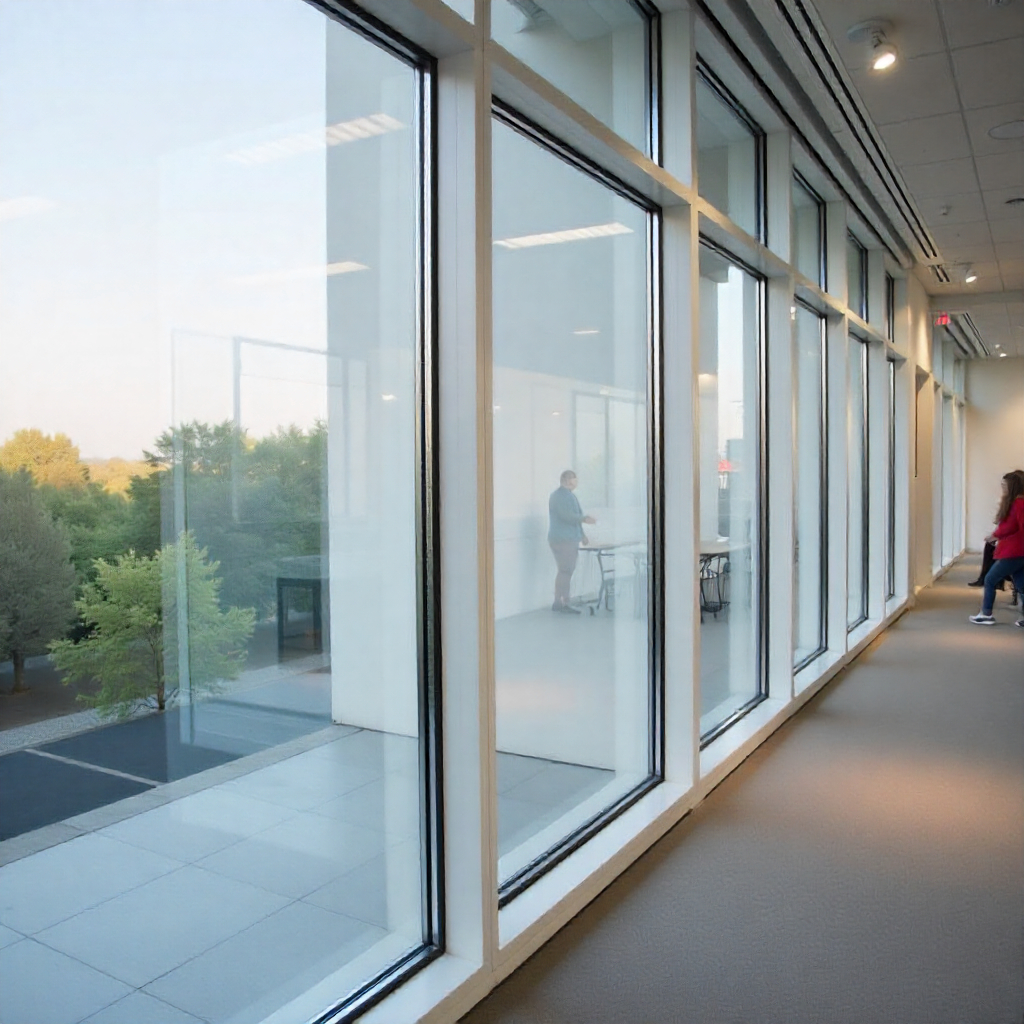
How Thermally Broken Aluminium Windows Cut Energy Costs
Energy costs continue to rise across South Africa. Commercial property owners in Roodepoort and Randburg now search for smarter solutions to reduce their monthly expenses. Thermally broken aluminium window frames offer a proven answer to this challenge.
These advanced window systems transform how buildings manage temperature. Moreover, they deliver substantial long-term savings while enhancing workplace comfort. Let’s explore how this technology works and why it matters for your commercial property.
Understanding Thermally Broken Aluminium Window Frames
Traditional aluminium frames conduct heat rapidly. This creates a direct pathway for energy to escape from your building. Consequently, your HVAC system works harder to maintain comfortable temperatures.
Thermally broken aluminium windows solve this problem through innovative engineering. Manufacturers insert a non-metallic barrier—typically polyamide—between the interior and exterior aluminium sections. This thermal break disrupts the conductive pathway that allows heat transfer.
The polyamide strip conducts heat approximately 1,000 times slower than standard aluminium. Therefore, it creates an effective insulated barrier within the window frame. This simple yet powerful design change dramatically improves energy performance.
The Science Behind Energy Savings
Heat transfer occurs through three methods: conduction, convection, and radiation. Standard aluminium frames excel at conduction, which means they quickly transfer heat between inside and outside environments.
During winter months, warm interior air loses energy through window frames. This heated air becomes cold and sinks, creating uncomfortable drafts near windows. Your heating system then cycles more frequently to compensate for this constant energy loss.
Summer presents the opposite problem. External heat conducts through aluminium frames into your building. Subsequently, air conditioning systems struggle to maintain cool temperatures. This cycle drives up electricity consumption throughout hot months.
Thermally broken frames interrupt this energy transfer at its source. The polyamide barrier prevents thermal bridging between interior and exterior frame sections. As a result, indoor temperatures remain stable with less HVAC intervention.
Quantifiable Energy Cost Reductions
Research demonstrates that thermally broken aluminium windows reduce energy costs by 10% to 25%. These savings accumulate month after month across your property’s lifetime.
Consider a commercial building in Randburg with monthly cooling costs of R15,000 during summer. Installing thermally broken windows could reduce this expense by R1,500 to R3,750 monthly. Annual savings could therefore reach R18,000 to R45,000 on cooling alone.
Winter heating costs see similar improvements. Buildings maintain warmth more effectively, reducing reliance on electric heaters or climate control systems. Furthermore, these savings compound when you factor in both heating and cooling seasons.
Your HVAC system also benefits from reduced strain. Equipment lasts longer when it doesn’t cycle constantly to compensate for energy losses. Consequently, you save on maintenance costs and equipment replacement over time.
Additional Benefits Beyond Energy Savings
Condensation Prevention
Condensation forms when warm, moist air contacts cold surfaces. Traditional aluminium frames often develop condensation during temperature extremes. This moisture can damage interior finishes and promote mould growth.
Thermally broken frames maintain interior surface temperatures closer to room temperature. Therefore, they significantly reduce condensation formation. Your commercial property stays drier and healthier for occupants.
Enhanced Comfort for Occupants
Employee productivity links directly to workplace comfort. Cold drafts near windows create uncomfortable work zones during winter. Similarly, radiant heat from sun-warmed frames makes summer days unbearable.
Thermally broken windows eliminate these temperature variations. Office spaces feel consistently comfortable throughout the year. Workers can focus on tasks rather than adjusting thermostats or relocating desks.
Noise Reduction
The polyamide thermal break also dampens sound transmission. Commercial properties in busy areas like Roodepoort benefit from this additional acoustic insulation. Interior spaces become quieter and more conducive to focused work.
Durability and Low Maintenance
Aluminium frames naturally resist corrosion and weathering. They don’t warp, rot, or require frequent repainting like timber alternatives. Thermally broken systems maintain these advantages while adding energy efficiency.
Your aluminium windows require minimal maintenance over their lifespan. This reduces ongoing property management costs while maintaining professional aesthetics.
Choosing the Right System for Your Property
Different commercial applications require specific window configurations. Office buildings might prioritize large glass areas for natural light. Retail shopfronts need security features alongside energy efficiency.
Window Types Available
Fixed windows work well for spaces prioritizing views and natural light without ventilation needs. Sliding windows offer sleek profiles ideal for modern commercial aesthetics. They also suit spaces where outward-opening sashes would obstruct walkways.
Top-hung casement windows provide excellent ventilation control. They can remain partially open during rain without allowing water inside. This versatility makes them popular for office environments.
Stacking or folding window systems create flexible spaces. These configurations suit hospitality venues, conference rooms, or retail environments wanting to connect indoor and outdoor areas.
Glass Selection Matters
Thermally broken frames work best when paired with appropriate glazing. Double-glazed units enhance insulation properties significantly. Specialized coatings can further reduce heat gain from direct sunlight.
Your glass selection should consider your building’s orientation and local climate conditions. South-facing windows in Johannesburg receive intense summer sun. Therefore, they benefit from solar control glass combined with thermal breaks.
Installation Considerations
Professional installation ensures thermally broken windows perform as designed. Proper sealing around frames prevents air infiltration that undermines energy efficiency. Experienced installers understand how to integrate these systems with existing building structures.
Accend Aluminium and Glass brings over 30 years of combined expertise to every commercial project. Our team handles everything from initial consultation through final installation. We ensure your investment delivers maximum energy savings from day one.
Return on Investment Timeline
Premium thermally broken systems require higher upfront investment than standard frames. However, the energy savings quickly offset this initial cost difference.
Most commercial properties recover the additional investment within three to seven years through reduced energy bills. After this payback period, the savings continue for the window system’s entire lifespan—typically 20 to 30 years or more.
Property value also increases with energy-efficient improvements. Modern tenants prioritize buildings with lower operating costs. Therefore, your investment enhances both immediate cash flow and long-term property valuation.
Environmental Impact and Sustainability
Reducing energy consumption directly decreases your carbon footprint. Commercial buildings account for significant greenhouse gas emissions through electricity use. Thermally broken windows help address this environmental concern.
Lower HVAC usage means less demand on the electrical grid. During peak periods, this collective reduction helps prevent load shedding and reduces strain on power infrastructure. Your business demonstrates environmental responsibility while cutting costs.
Many green building certification programs recognize thermally broken windows as contributing factors. These certifications attract environmentally conscious tenants and enhance corporate sustainability profiles.
Comparing Materials and Technologies
Thermally Broken Aluminium vs. uPVC
uPVC windows offer natural insulation properties at lower costs. However, aluminium provides superior strength for larger window spans. Commercial applications often require the structural performance that only aluminium delivers.
Thermally broken aluminium combines strength with energy efficiency. It matches or exceeds uPVC thermal performance while maintaining slim profiles and modern aesthetics. The frames also resist South African UV exposure better than plastic alternatives.
Standard vs. Thermally Broken Aluminium
Standard aluminium windows cost less initially but sacrifice long-term value. Without thermal breaks, they allow continuous energy waste throughout the building’s life. This ongoing expense far exceeds the initial savings.
Thermally broken systems represent the smart long-term investment. They deliver immediate comfort improvements alongside measurable cost reductions. Building owners consistently report satisfaction with this choice years after installation.
Maintenance and Longevity
Aluminium naturally resists corrosion from moisture and atmospheric conditions. Thermally broken systems maintain this durability advantage. The polyamide thermal break material also resists degradation from temperature cycles and UV exposure.
Routine maintenance involves simple cleaning of glass and frames. No special treatments or refinishing processes are necessary. Seals around glazing units might require inspection every few years, but these are minor maintenance items.
Hardware components like handles and locks should operate smoothly for decades with occasional lubrication. Quality systems use marine-grade stainless steel hardware that withstands coastal and industrial environments without deterioration.
Making the Investment Decision
Assess your current energy costs to establish a baseline for comparison. Review utility bills from the past year, noting seasonal variations in heating and cooling expenses. This data helps calculate potential savings from upgrading to thermally broken windows.
Consider planned occupancy duration for your commercial property. Longer ownership periods maximize the return on energy-efficient improvements. Even with shorter timelines, enhanced property value often justifies the investment.
Consult with experienced suppliers who understand commercial applications. Accend Aluminium and Glass provides detailed quotations showing both initial costs and projected energy savings. We help you make informed decisions based on your specific circumstances.
Regional Climate Considerations
Johannesburg’s climate presents unique challenges for commercial buildings. Summer temperatures soar while winter mornings bring frost. This temperature range stresses HVAC systems and drives energy consumption.
Thermally broken aluminium window frames excel in this variable climate. They maintain interior comfort during extreme heat and cold. Consequently, your building operates more efficiently year-round rather than struggling during seasonal peaks.
Roodepoort and Randburg experience similar climate patterns. Therefore, commercial properties throughout the West Rand region benefit equally from this technology. The investment makes sense regardless of your specific suburb or property type.
Partner with Experienced Professionals
Successful implementation requires expertise from consultation through installation. Accend Aluminium and Glass combines decades of industry experience with commitment to customer satisfaction. We manufacture and install comprehensive aluminium and glass solutions for commercial clients.
Our detailed quoting process ensures transparency in pricing. You receive complete breakdowns showing exactly what your investment includes. Furthermore, we stand behind our work with comprehensive guarantees.
Thermally broken aluminium window frames represent more than an upgrade—they’re a strategic investment in your commercial property’s future. Energy costs will continue rising, making efficiency improvements increasingly valuable. Meanwhile, occupants demand comfortable, sustainable work environments.
The technology delivers proven results through sound engineering principles. Building owners across South Africa report substantial savings and improved property performance. Your commercial building can achieve these same benefits with proper system selection and professional installation.
Ready to reduce energy costs while enhancing your commercial property? Contact Accend Aluminium and Glass today for a comprehensive consultation. Our team will assess your specific needs and provide detailed recommendations tailored to your building. Start saving on energy costs while investing in long-term value and sustainability.